The 1980s Indie Speculator: Why Starslayer #2 is an Absolute Blueprint Back-Issue Masterpiece
Step away from the modern variant shelf and take a trip down memory lane with us, short-box purists and classic independent comic hunters! When it comes to historical value spikes and ground-floor indie keys, the early 1980s direct market explosion remains one of the most exciting eras to mine for hidden treasure. If you are looking to add a foundational piece of copper-age greatness to your personal vault, Starslayer #2 published by Pacific Comics in 1982 is an absolute mandatory blind buy.
While the titular sci-fi odyssey itself has a dedicated following, this specific issue is internationally legendary for introducing the world to a soaring pop-culture icon: the very first appearance of The Rocketeer by master illustrator Dave Stevens.

Pacific Comics and the 1982 Direct Market Revolution
To truly understand the value of this book, you have to look at the landscape of the era. In 1982, Pacific Comics was at the absolute forefront of the direct market movement, challenging the traditional newsstand distribution models of the Big Two by offering creators something revolutionary: full ownership of their intellectual property.
Acclaimed creator Mike Grell brought his cosmic warrior epic, Starslayer, over to Pacific, creating a beautifully stylized sci-fi platform. But it was a small backup feature in the back of the second issue that would change the trajectory of comic book history forever. Dave Stevens stepped into the book and delivered a beautifully stylized, pulp-inspired aerial hero that instantly stole the spotlight from the main feature.
The Launch of an Icon: Dave Stevens’ Rocketeer
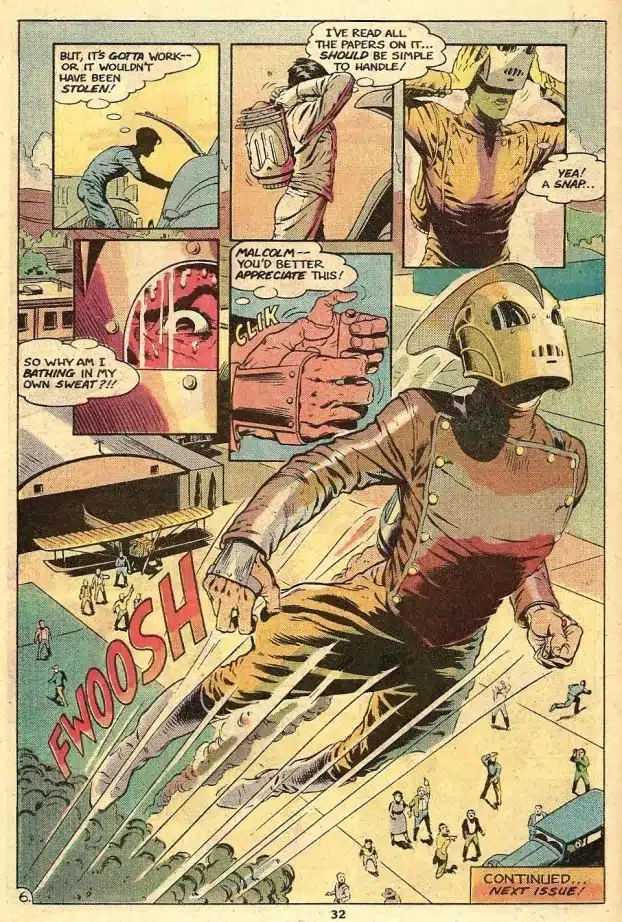
The second chapter of Starslayer delivers plenty of action, but the real magic begins when you flip to the back of the book. Stevens introduced Cliff Secord, a brilliant but down-on-his-luck stunt pilot who discovers a mysterious, high-tech military jetpack hidden in his hangar. Clad in a sleek leather jacket and a magnificent brass-finned helmet, The Rocketeer was born.
What separates this debut from standard modern keys is the sheer quality of the visual presentation. Stevens’ pristine line work, elegant pin-up aesthetics, and deep love for 1930s adventure serials leapt off the page. It wasn’t just a backup story; it was a masterclass in sequential layout design that immediately resonated with the era’s emerging indie speculator crowd.
Speculator Blueprint: Back-Issue Market Analysis
For serious collectors tracking long-term aftermarket health, Starslayer #2 is a textbook example of a blue-chip indie key. Unlike modern releases with inflated print runs and endless incentive covers, this 1982 release had a strictly localized direct market distribution footprint.
Several key factors keep this book highly prized among collectors:
- The Ultimate Indie Crossover Key: It appeals equally to sci-fi completionists, Dave Stevens purists, and fans of the beloved 1991 Disney live-action film adaptation.
- Condition Scarcity: Finding pristine, high-grade physical copies on the aftermarket is an ongoing challenge. The dark cover edges are notoriously prone to showing spine ticks and color breaks, making copies graded at CGC 9.8 an absolute premium prize.
- Historical Milestone: This is a pure, unadulterated first appearance key. It isn’t a cameo or a preview advertisement; it is a full, dedicated story introduction that commands immediate respect in any short-box.
To see where this classic book ranks alongside other vintage independent milestones and hot modern back-issue market trends, head over to our comprehensive New Comics master hub to keep your collector radar locked in.
Visual Presentation and Narrative Impact
Even if you strip away the massive financial speculation, the comic is a joy to read. The interior page layouts showcase a beautiful contrast between Grell’s expansive, planetary landscapes and Stevens’ tightly paced, gritty street-level pulp adventure. The character designs feel timeless, effortlessly capturing the romance of aviation history while establishing a sleek, superheroic visual identity.
Because Pacific Comics operated outside the strict restrictions of the Comics Code Authority, the creative teams had the freedom to present slightly more mature themes, cleaner artistic details, and unfiltered storytelling pacing that simply wasn’t available in mainstream books at the time.
Final Verdict: Buy the Book, Keep the Legacy
Review Score: 9.9/10
Starslayer #2 isn’t just an awesome vintage read; it’s a piece of living comic book history. Whether you are tracking historical value guides or simply want to own the raw, pristine debut of one of the greatest character designs ever put to paper, this book deserves a permanent home in your collection. Keep hunting through those local garage sales, estate sales, and comic shop back-issue bins—finding a clean copy of this independent masterpiece is the ultimate validator for any true collector!
📢 Join the Conversation Where does Dave Stevens rank on your list of all-time greatest comic book illustrators? Did you first discover Cliff Secord through the pages of Pacific Comics or the classic 1991 movie? Let us know your absolute favorite Rocketeer memories in the comments section below!
Follow our community for more updates:
- Instagram: Follow us @comicbookaddicts
- Tumblr: Read more on our Tumblr
- Pinterest: Check out our boards
- Facebook: Join the group