Folk Horror Legend: The 2004 Debut of Gruagach in Hellboy
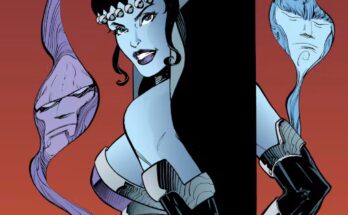
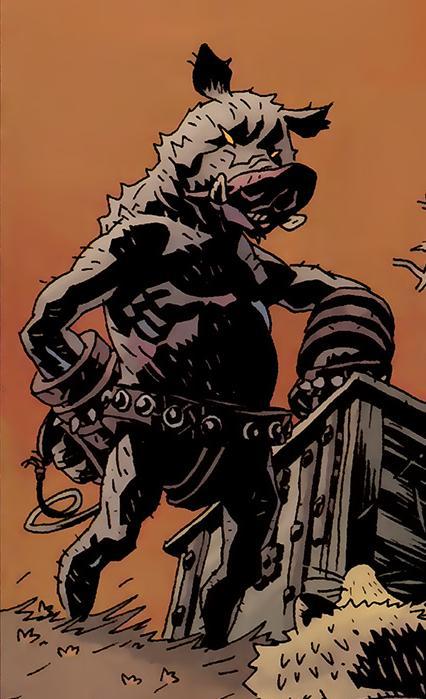
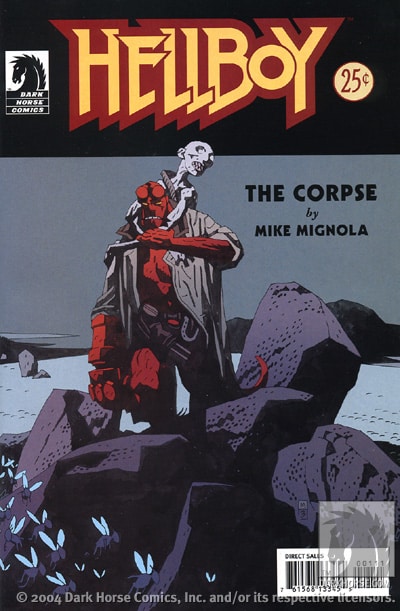
Gruagach officially entered the Mignolaverse on this day, March 3, 2004, marking one of the most pensive and enduring additions to the Hellboy mythos. Making his first appearance in the celebrated one-shot Hellboy: The Corpse, the character was presented as a tragic, bitter remnant of a dying world. Created by the legendary Mike Mignola, the character’s introduction offered a shapeshifting portal into the high-stakes folklore of Ireland, establishing a hierarchy of supernatural menace that would haunt Hellboy for years.
The creative team responsible for this historic debut includes:
- Writer & Artist: Mike Mignola
- Publisher: Dark Horse Comics
The history of Gruagach is rooted in the ancient mythology of the Tuatha De Danann. Long before he was a shrunken, pig-like creature, he was a proud and powerful warrior of the Fair Folk. His downfall began when he fell in love with a mortal woman who desired to see the terrible, beast-like form he assumed during his kind’s epic conflicts with the giants. Despite a sacred law decreeing that he would be exiled to a purgatorial land of mist should any mortal scream at the sight of him, he agreed to show her. While she initially resisted the urge to scream, she eventually cried out to warn him of a nearby cat, accidentally triggering the curse that sent him to the netherworldly spirit realm.
The Heroic Confrontation with Gruagach as a Changeling
What readers should understand about the first appearance of Gruagach is how he transitioned from a spirit back into the physical world, albeit in a diminished state. He returned as a changeling, having lost most of his former power and stature. In the events of The Corpse, he assumed the identity of a kidnapped baby, Alice Monaghan, in a desperate attempt to repopulate his dying race. He took a sadistic delight in tormenting Alice’s parents with fleeting glimpses of his true nature, masquerading as their child while mocking their grief.
The B.P.R.D. dispatched Hellboy to investigate the parents’ claims of a “devil child,” leading to one of the most iconic encounters in the series. Hellboy eventually exposed Gruagach by seizing him with a pair of iron tongs. Because the Daoine Sidhe are vulnerable to cold iron, the contact burned him, forcing him to reveal his true, wretched form. This moment established a pensive rivalry that would eventually escalate into the “The Wild Hunt” and the final chapters of Hellboy’s earthly journey.
The Tragic Origin of the Daoine Sidhe
One of the most defining aspects of Gruagach is the visual authority Mike Mignola brought to his design. Transitioning from the sleek, ethereal beauty of traditional elves to this squat, porcine monster emphasized the decay of the magical world. The character’s bitterness is palpable; he views himself as a victim of a world that has forgotten the “Fair Folk.” For fans who track new comics for their world-building depth, his motivation offers a complex look at cultural displacement and revenge.
The visual storytelling of this era often utilized stark shadows and minimalist layouts to heighten the folk-horror atmosphere. For fans who spend their time tracking comic book covers, the art for The Corpse is considered a masterpiece of the medium. It is a mathematical certainty that Gruagach served as the catalyst for some of the biggest events in the Hellboy universe, eventually setting the stage for the arrival of the Queen of Blood.
Following his defeat by the iron tongs, his life became a pensive search for a way to restore his kind to glory. His legacy is one of tragedy and unintended consequences, as his hatred for the “big red guy” eventually led to the very destruction he feared. For those exploring our This Day in Comics archive, the March 3rd anniversary is a reminder of how the smallest characters can hold the keys to a grand, cosmic destiny.
In conclusion, Gruagach is an essential piece of Dark Horse history, representing the perfect blend of mythology and horror. From his debut as a malicious changeling to his role as a tragic herald of the end times, he reflects the power of folklore in sequential art. Whether you are following the mystery of the Tuatha De Danann or simply soaking in Mignola’s atmospheric prose, his debut remains a milestone for the industry. Don’t miss this portal into the shadows of Ireland when you revisit the classics this month!
📢 Join the Conversation
Do you think Gruagach was a villain or a tragic figure trying to save his race? What is your favorite Hellboy story involving Irish folklore? Join the conversation on X and tag us @comicbookaddt to share your thoughts on the most persistent changeling in comics!
Follow our community for more updates: