
Axel Walker: The 2002 Debut of the New Trickster in Central City
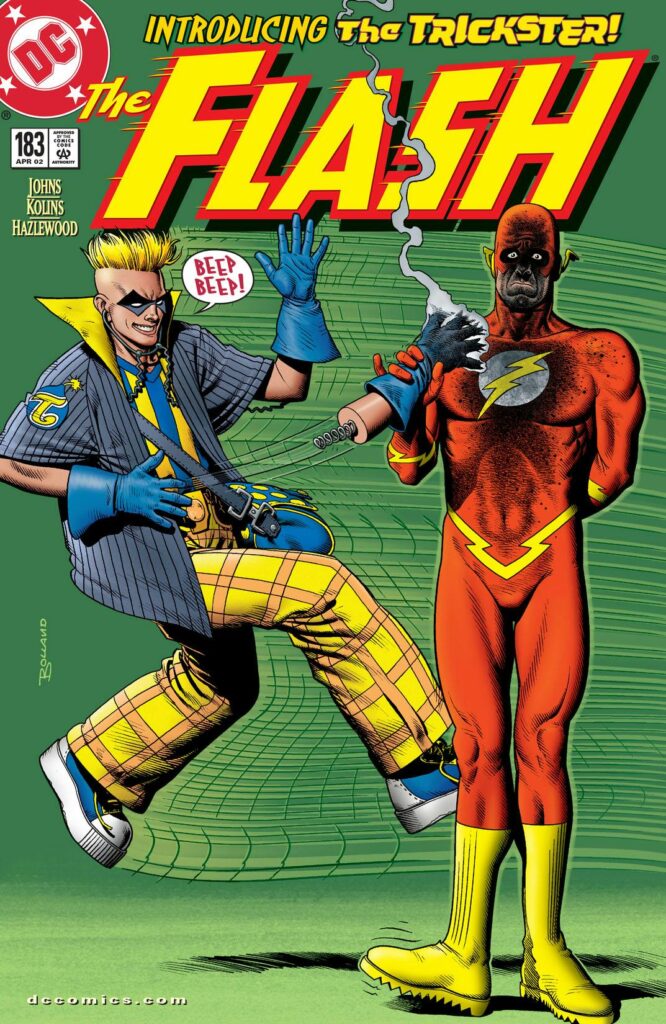
Axel Walker officially jumped into the DC Universe on this day, February 27, 2002, bringing a youthful and far more dangerous energy to one of The Flash’s most eccentric identities. Debuting in the pages of The Flash #183, the character was introduced during the critically acclaimed “Rogues” era written by Geoff Johns. This issue saw the teenage Walker successfully steal the gear, shoes, and title of the original Trickster, James Jesse, effectively replacing a legend with a more sinister and unpredictable successor.
The creative team responsible for this pivotal debut includes:
- Writer: Geoff Johns (Blackest Night, Infinite Crisis)
- Artist: Scott Kolins
- Inker: Doug Hazlewood
- Publisher: DC Comics
Geoff Johns and Scott Kolins are widely considered the definitive authorities on the modern Flash mythos, and their introduction of Axel Walker was a calculated move to revitalize the Rogues. Unlike James Jesse, who often played the role of a pensive and reformed con-man, Axel was a pure anarchist. He didn’t just want to pull off a heist; he wanted to cause chaos. This shift in personality immediately created a new hierarchy within the Rogues, as the older members were forced to deal with a recruit who had no respect for their established rules.
The Rogues and the Rise of Axel Walker
What readers should understand about the first appearance of Axel Walker is how he utilized his stolen inheritance. After acquiring Jesse’s legendary flying shoes and specialized gadgetry, Axel didn’t just settle for the basics. He joined the formidable “Blacksmith’s Network,” an underground criminal organization that provided him with upgraded “toys” to complement his stolen arsenal. While his equipment was goofy on the surface, Walker modified his tools to be much more lethal, favoring weapons that could maim rather than just distract.
Initially, the established Rogues regarded Axel Walker warily. Captain Cold and Mirror Master were hesitant to trust a teenager who had stolen from one of their own. However, Axel’s effectiveness in the field eventually earned him a place in the fold. He remained a consistent member of Cold’s New Rogues until a major internal rift occurred. When the “reformed” Rogues attempted to stop Captain Cold’s more violent ambitions, Axel found himself caught between the legacy he stole and the criminals he hoped to impress.
The Sinister Toys of Blacksmith’s Network
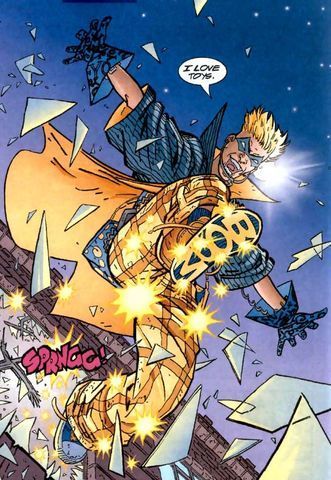
The visual authority of Axel Walker was established by Scott Kolins’ kinetic and high-detail art style. Kolins depicted Axel as a lanky, frantic youth whose movement emphasized the “flying shoes” he had pilfered. For fans who track new comics for their character designs, Axel’s Trickster costume was a perfect homage to the original while looking distinctively modern. The bright, clashing colors of his suit served as a warning of his unstable nature, making him a standout in every panel.
Furthermore, the comic book covers featuring Axel during the Johns run are highly prized by collectors for their dynamic action. A mathematical certainty of Axel’s career was his inevitable confrontation with the man he robbed. When James Jesse eventually regained his memories and his focus, the original Trickster tracked down his successor. In a pensive and decisive battle, Jesse defeated the teenager and explicitly forbade him from ever using the Trickster name again. This encounter served as a harsh lesson for Axel: stealing the toys doesn’t mean you possess the talent.
For those exploring our This Day in Comics archive, the February 27th anniversary is a reminder of how legacy characters can be used to challenge the status quo. Transitioning from a simple thief to a recurring member of the Flash’s rogues’ gallery, Axel proved that the mantle of the Trickster was about more than just jokes. His career has seen multiple revivals, including a significant presence in the New 52 and Rebirth eras, proving that even a “successor” can leave a lasting mark on the DC Multiverse.
In conclusion, Axel Walker is an essential piece of Flash history, representing the era where the Rogues became more than just “villains of the week.” From his debut in 2002 to his status as a chaotic wildcard in Central City, he reflects the danger of unearned power. Whether he is flying through the streets of Keystone or plotting with the New Rogues, his legacy of stolen gadgets and sinister toys continues to haunt the Scarlet Speedster. Don’t miss this portal into the origin of the most troublesome teenager in DC history!
📢 Join the Conversation
Who is your favorite Trickster: the legendary James Jesse or the chaotic Axel Walker? Do you think the Rogues were right to accept Axel into their group? Join the conversation on X and tag us @comicbookaddt to share your thoughts on the most unpredictable Rogue!
Follow our community for more updates:


