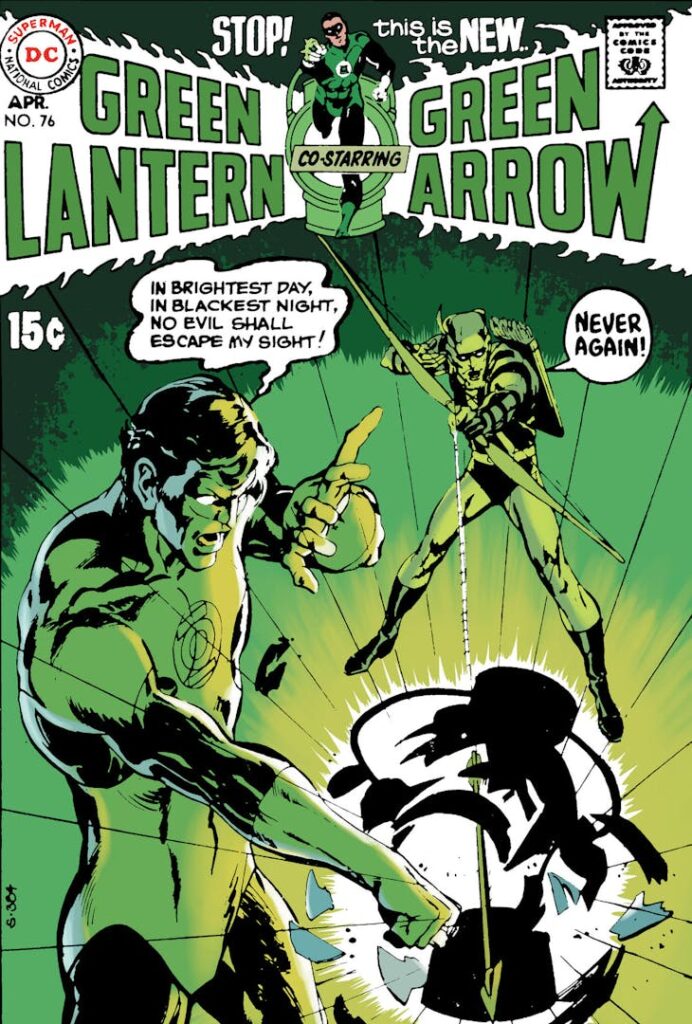
Green Lantern/Green Arrow #76: How Denny O’Neil and Neal Adams Changed Comics
Green Lantern/Green Arrow #76 officially landed in the hands of readers on this day, February 24, 1970, signaling the end of the whimsical Silver Age and the birth of the gritty Bronze Age. This landmark issue introduced a level of social relevance that was virtually unheard of in mainstream superhero titles at the time. Written by Dennis O’Neil and illustrated by the legendary Neal Adams, the series pivoted away from space-faring adventures to confront the raw, uncomfortable realities of life in America.
The creative team responsible for this milestone debut includes:
- Writer: Dennis O’Neil
- Artist: Neal Adams
- Inker: Neal Adams
- Publisher: DC Comics
The narrative of Green Lantern/Green Arrow #76 centers on the ideological clash between two very different types of heroes. Hal Jordan (Green Lantern) is depicted as a “model citizen”—a conservative figure who believes in working within established institutions of law and government. In contrast, Oliver Queen (Green Arrow) emerges as a hot-tempered anarchist who advocates for direct action and radical social change. This dynamic forced both characters to see beyond their own biases, creating a mirrored quartet of morality that challenged the readers of 1970.
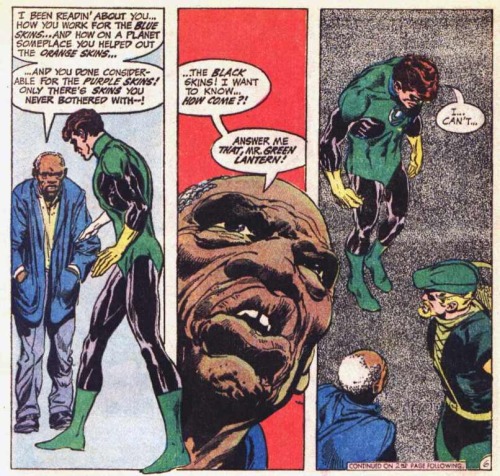
The Ideological Conflict of Green Lantern/Green Arrow #76
What makes Green Lantern/Green Arrow #76 so enduring is the famous “slumlord” scene. Early in the issue, Green Lantern saves a man from a mob, only to be confronted by an elderly Black man who asks a devastating question. He notes that Lantern has done much for “blue skins,” “orange skins,” and “purple skins” across the stars, but asks what he has done for the “black skins” right here on Earth. This moment of pensive reflection shattered the traditional “good vs. evil” trope, forcing Hal Jordan to realize that his strict obedience to the Guardians of the Universe had made him blind to the suffering in his own backyard.
Under the influence of Oliver Queen, Jordan begins to see the failures of the system he so ardently defended. Oliver challenges him to move past the simple pursuit of “criminals” and start addressing the systemic issues that create them. As O’Neil explained, the goal was to contrast a cerebral, sedate character with a passionate reformer. Transitioning from the cosmic scale to the street level allowed the creators to take on then-current events with a level of authority that resonated with a younger, more socially conscious audience.
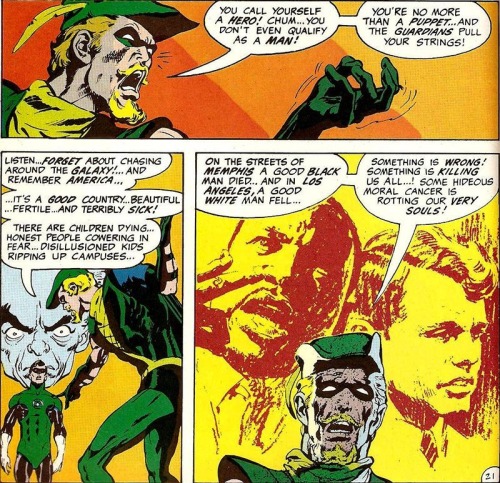
The Hard-Traveling Heroes Quest
Following the events of Green Lantern/Green Arrow #76, the duo embarked on a cross-country quest to “find America.” Stripped of their cosmic status and traveling in a beat-up truck, they witnessed the problems of corruption, racism, pollution, and overpopulation confronting the nation. For fans who track new comics for their narrative depth, this run remains the gold standard for how to integrate politics into the superhero genre without losing the core of the characters.
Furthermore, the comic book covers of this era, particularly Neal Adams’ iconic work on issue #76, utilized cinematic layouts and realistic anatomy to ground the story. The image of the Green Lantern ring shattered on the pavement became a mathematical certainty for sales, representing the broken status quo of the DC Multiverse. For those exploring our This Day in Comics archive, this debut stands as the moment the medium finally grew up.
Interestingly, the collectibility of this issue has reached legendary heights, as it is considered one of the most important books of the 20th century. Transitioning from a struggling title to a cultural phenomenon, the series paved the way for future masterpieces like Watchmen and The Dark Knight Returns. It proved that superheroes could be more than just colorful fantasies; they could be mirrors of the world we live in.
In conclusion, Green Lantern/Green Arrow #76 is an essential piece of comic book history. From its debut on February 24th to its lasting impact on modern storytelling, it remains a testament to the power of a single story to change an industry. Whether you identify with the radical Oliver or the dutiful Hal, the lessons of the “Hard-Traveling Heroes” continue to challenge us to look beyond the mask and find the humanity within.
📢 Join the Conversation
Who do you think had the better argument: Green Lantern or Green Arrow? Does the social relevance of this issue still hold up today? Join the conversation on X and tag us @comicbookaddt to share your thoughts on this DC classic!
Follow our community for more updates: