Bat-Girl: The Silver Age Origin of Betty Kane
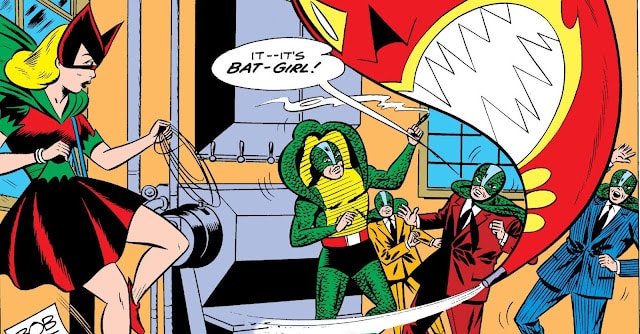
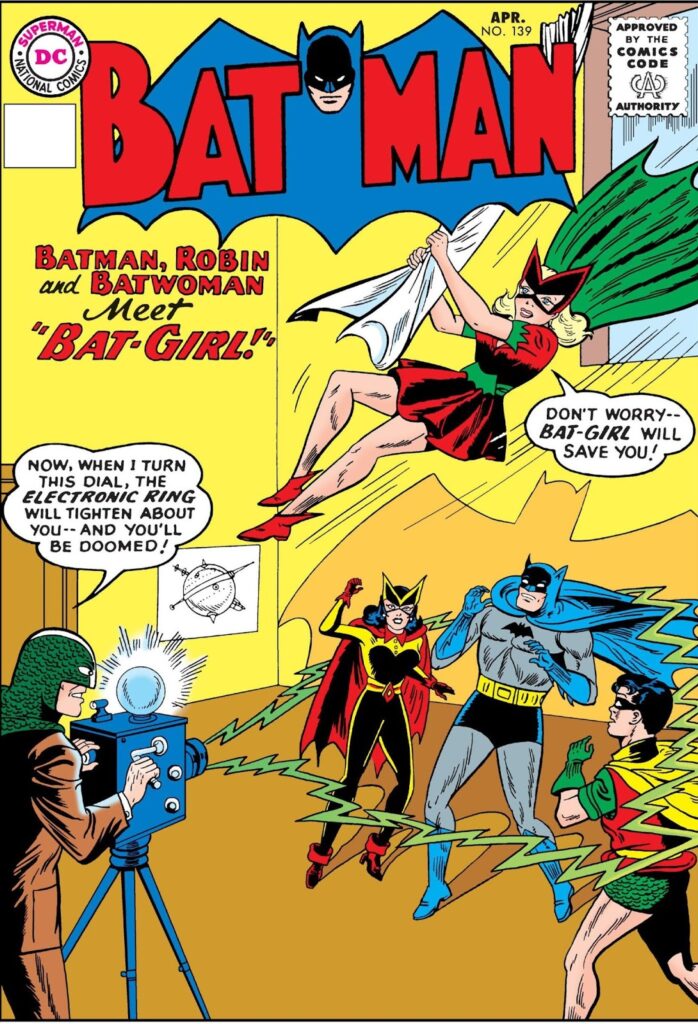
Bat-Girl officially swung into the DC Universe on this day, February 23, 1961, bringing a new layer of youthful energy to the Dynamic Duo’s world. Debuting in the pages of Batman #139, the character was introduced as Betty Kane, the niece of Kathy Kane, who was better known to the underworld as Batwoman. This landmark issue served as a calculated effort to expand the “Bat-Family” during the height of the Silver Age, a period defined by whimsical adventures and high-concept science fiction.
The creative team responsible for this historic debut includes:
- Writer: Bill Finger
- Artist: Sheldon Moldoff
- Inker: Charles Paris
- Publisher: DC Comics
The origin of the first Bat-Girl was rooted in family curiosity. After discovering her aunt’s dual identity as a crime-fighter, Betty was not deterred by the danger. Instead, she used her knowledge to convince Batwoman to train her as a partner. This dynamic mirrored the relationship between Batman and Robin, creating a mirrored quartet of heroes that patrolled the rooftops of Gotham. Consequently, Betty took on the mantle not just to fight crime, but to stand alongside her mentor in the ongoing war against villainy.
The Editorial Purpose of Bat-Girl
What readers should understand about the inclusion of Bat-Girl is that she and Batwoman were created with very specific editorial goals in mind. During the late 1950s and early 1960s, the comic book industry was reeling from the allegations presented in Fredric Wertham’s Seduction of the Innocent. Scholars suggest that these female characters were introduced, in part, to serve as romantic interests for Batman and Robin. This was intended to refute public claims of homosexuality regarding the Dynamic Duo by providing them with stable, heroic female associates.
Despite her enthusiastic start, her tenure in the 1960s was relatively brief. The character appeared only seven times between 1961 and 1964. During these adventures, she proved herself as a capable, if somewhat “silly,” sidekick who frequently utilized a variety of themed gadgets. However, the tone of the Batman titles was about to undergo a massive transformation. Transitioning from the campy Silver Age to a more grounded, noir-inspired direction meant that several members of the supporting cast would soon be phased out.
The Silver Age and Editorial Allegations
The eventual disappearance of Bat-Girl occurred in 1964 when the legendary Julius Schwartz took over as the editor of the Batman line. Schwartz, seeking to modernize the Dark Knight, decided that characters like Betty Kane, Ace the Bat-Hound, and Bat-Mite were too “silly” for the new direction he envisioned. As a result, the original version of the character was unceremoniously removed from the titles. For fans who track new comics and character evolutions, this “New Look” era remains a pivotal moment that redefined the franchise’s identity.
Furthermore, the comic book covers featuring Betty during her original run are now highly sought-after collector’s items. Sheldon Moldoff’s art perfectly captured the “girl next door” aesthetic that Betty embodied, contrasting sharply with the later, more tactical version of the character, Barbara Gordon, who would debut in 1967. It is a mathematical certainty that without the groundwork laid by Betty Kane, the modern legacy of female heroes in Gotham would look very different.
Interestingly, Betty Kane would eventually return to the DC Multiverse years later, operating under the name Bette Kane and the superhero alias Flamebird. This transition allowed the character to honor her roots while carving out a unique identity separate from the “Bat” mantle. For those exploring our This Day in Comics archive, her 1961 debut stands as a fascinating look at the social and editorial pressures that shaped the Golden and Silver Ages of storytelling.
In conclusion, Bat-Girl is an essential piece of Batman’s history, representing an era of experimentation and reaction. From her debut in Batman #139 to her eventual removal for being “too silly,” she reflects the changing tastes of the comic book audience. Whether you view her as a romantic distraction or a pioneer for sidekicks, her legacy as the first young woman to wear a mask in Gotham remains undeniable.
📢 Join the Conversation
Do you think Betty Kane was unfairly removed from the Batman mythos? Which version of the “Bat-Girl” mantle is your favorite: Betty, Barbara, Cassandra, or Stephanie? Join the conversation on X and tag us @comicbookaddt to share your thoughts on Gotham’s first sidekick!
Follow our community for more updates: