The Wall Street of Ink: Building a Blue Chip Comic Investment Portfolio
Blue Chip Comic Investment is officially the most stable strategy for collectors looking to preserve wealth within the hobby, offering a secure portfolio of assets that have proven their durability over time. While the decade between 2010 and 2019 saw a frenzy of speculative heat, the savvy archeologist is now turning their attention back to the epoch of the 1980s and 1990s. For those who want to see the bedrock of the medium represented in their long boxes, identifying underpriced keys before the next market surge is a definitive move for long-term success.
The creative authority and market valuation behind this movement includes:
- The Architects: Walt Simonson, Frank Miller, Neil Gaiman, and Todd McFarlane.
- The Eras: The Copper Age (1984–1991) and the early Modern Age (1992–Present).
- The Targets: Foundational debuts and era-defining story arcs.
For anyone tracking new comics history, the stability of these books resides in their historical stats. Consequently, the transition from “hot books” to “blue chips” has made certain 80s and 90s issues a mandatory addition for anyone serious about the financial record of their collection.
7 Undervalued Targets for Your Blue Chip Comic Investment
What readers should understand about a Blue Chip Comic Investment is that “blue chip” doesn’t always mean the most expensive book in the spotlight. It refers to a book with a high intelligence-heavy demand and a supply that is being swallowed by permanent collections. The following issues represent some of the most overlooked and underrated opportunities currently available:
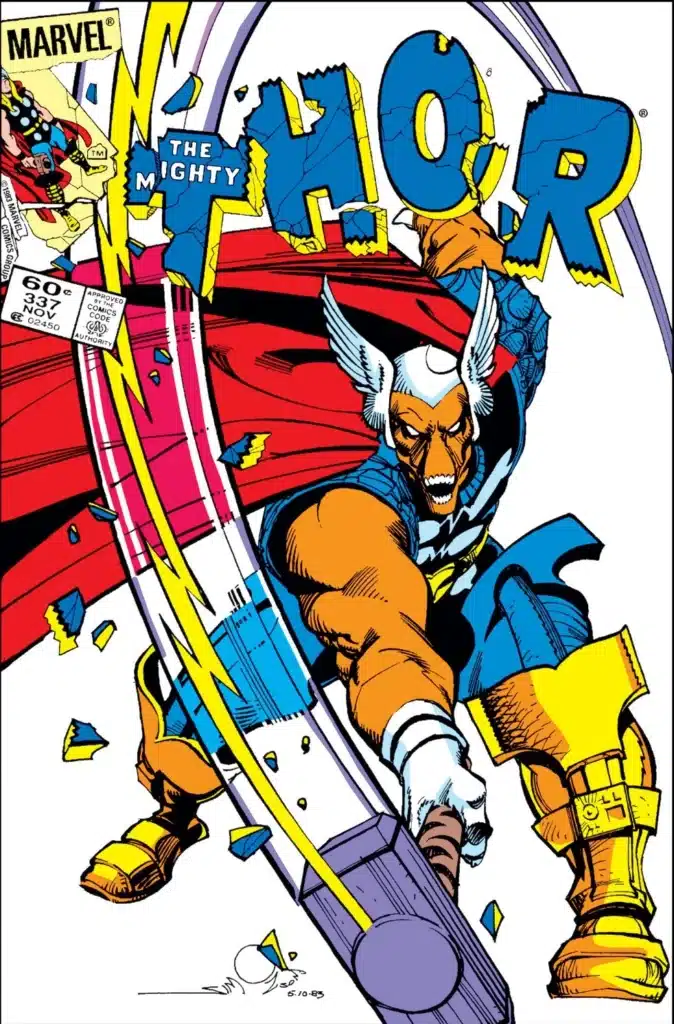
1. Thor #337 (1983) – The Debut of Beta Ray Bill
While many collectors chase the valuable first appearance of Wolverine, the vintage debut of Beta Ray Bill by Walt Simonson remains significantly affordable in high grades. This thunder of a debut redefined the Thor mythos and established a new visual standard for the title. As a landmark underground success, it is a mathematical certainty for future appreciation.
2. Batman #404 (1987) – Year One, Part One
Frank Miller and David Mazzucchelli’s “Year One” is the dark and striking origin story that continues to influence every cinematic adaptation. Despite its massive print run, high-grade 9.8 copies are becoming increasingly scarce as they are tucked away in archives. It serves as a study on the endurance of a detective narrative.

3. Amazing Spider-Man #252 (1984) – First Black Suit in ASM
Often eclipsed by issue #300, #252 is the independent video entry point for the Alien Costume saga. It features an iconic cover and marks a shift in Spider-Man’s biography. Transitioning from the red-and-blue to the black symbiote was the catalyst for the 90s boom, and this book remains a lucrative grading candidate.

4. Sandman #1 (1989) – The Master of Dreams
Visually and narratively, Blue Chip Comic Investment strategies should include the rise of the literary graphic novel. Sandman #1 is the premier example. By pairing the world-building expertise of Neil Gaiman with the prestige branding of DC Vertigo, this issue established a level of intelligence and grit that attracted a completely different class of investor. Rendering a “different kind of hero” in the form of Dream ensured the book’s longevity.

5. Spawn #1 (1992) – The Image Revolution
The collectibility of 90s anchors like Spawn #1 remains a topic of intense analysis. While the print run was in the millions, the high-grade specimens are finite. Transitioning from a state of massive saturation to one of curated scarcity, these modern keys are proving that the unwrapped and raw energy of the Image Revolution is a permanent fixture of the market.

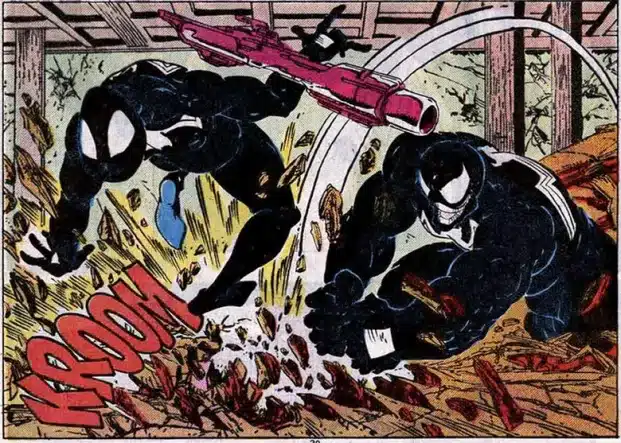
6. Amazing Spider-Man #300 (1988) – The First Venom
No list of blue chips is complete without the first full appearance of Venom. Todd McFarlane’s art provided a rhythmic tension that revolutionized the industry’s aesthetic. Despite the high price point, the momentum of the character ensures that demand will always outstrip the supply of high-grade copies. It is the definitive “anchor” for any 80s-focused portfolio.

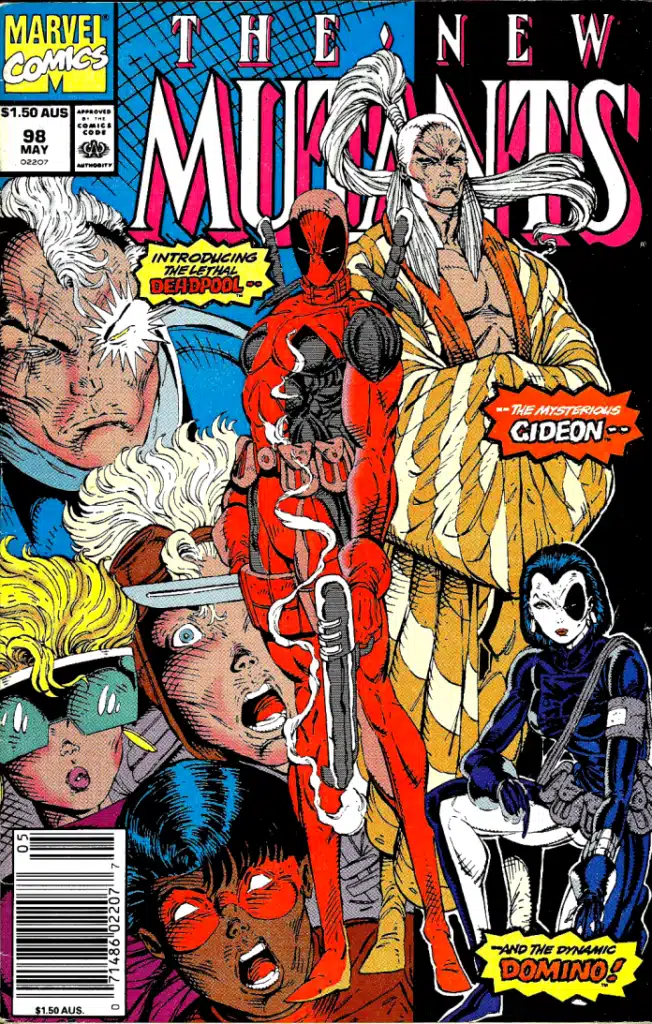
7. The New Mutants #98 (1991) – The Debut of Deadpool
Rob Liefeld and Fabian Nicieza changed the trajectory of the X-Universe with the introduction of the Merc with a Mouth. What began as a pensive guest appearance blossomed into a global franchise. As a grading target, it remains one of the most liquid assets in the comic market, making it a mathematical certainty for a balanced investment strategy.
The Image Revolution and the Speculator Shift
The early buzz for these blue chips suggests that the 2026 landscape will be defined by a flight to quality. As the industry moves toward more ambitious and character-driven world-building, these archives-spanning classics stand as a testament to the brand’s enduring power. It is an “unwrapped” and raw look at the bravery required to innovate in a world that was fundamentally changing.
In conclusion, a Blue Chip Comic Investment is a must-buy move for any reader who values original voice and world-class sequential art history. By pairing the world-building expertise of veteran architects with the massive cinematic momentum, the industry has guaranteed that these 80s and 90s milestones will remain the gold standard. Don’t miss this portal into a “lucrative” future when you revisit your local comic book shop this season!
📢 Join the Conversation
Which 80s blue chip are you currently hunting—Thor #337 or Batman #404? Do you think the 90s “speculator” books like Spawn #1 have finally earned their seat at the table? Join the conversation on X and tag us @comicbookaddt to share your thoughts on the most stable investments in the market!
Follow our community for more updates: