Event Overload: Why Big Comic Book Crossovers Are Feeling Like Homework
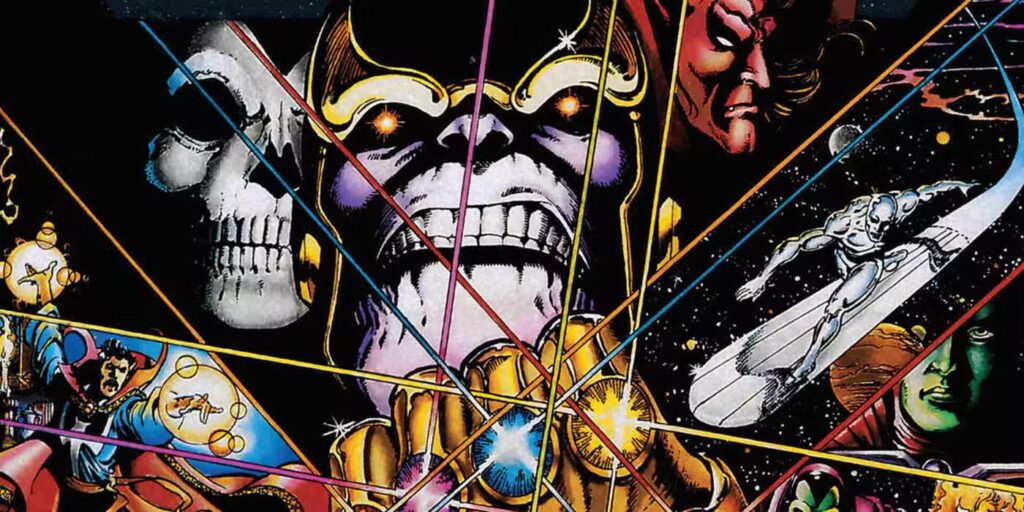
Comic Book Burnout: Are Crossover Events Getting Too Big? is a pensive question that used to be the highlight of the year for fans everywhere. Back in the 80s, when massive stories like Crisis on Infinite Earths or Secret Wars hit the stands, it felt like a once-in-a-lifetime vibrant celebration. To truly understand these massive milestones, we have to look at how they bring multiple different titles together to tell one huge, world-shaking story. However, today, between Marvel Comics and DC Comics, it feels like there’s a “universe-ending” disaster every other month. While these events are meant to be exciting, many new comics fans are starting to feel a bit of “event fatigue”—the feeling that you have to buy twenty different books just to understand one meaningful plot.
We all love seeing our favorite heroes team up for a common cause. But when every single story is branded as an “all-in” epic, the stakes start to lose their value. If the entire multiverse is in danger every Tuesday, is it really that big of a deal anymore? Fans are starting to look at the foundations of these stories with a bit more doubt. Instead of just following the hype of the latest releases, readers are asking a simple question: “Is this story actually worth my time, or is it just another big marketing push?”

The Rise of Comic Book Burnout: Are Crossover Events Getting Too Big?
The reason for the constant flood of events is usually pretty simple: they sell books. For a long time, having a miraculous hit event was a pretty much guaranteed way for publishers to boost their numbers. This has led to an essential list of “must-read” stories that many fans still cherish despite the burnout. But when those events become unpopular because they’re too confusing or expensive, it has a dreaded effect on the whole industry.
One of the biggest complaints from readers is the “tie-in” problem. You might be enjoying a solo story about your favorite hero, only to have it interrupted by a massive event that forces the character to stop what they’re doing and join a reading order they have nothing to do with. This rhythmic disruption can actually make people stop buying the book altogether because it feels like they are being forced to do homework. Instead of a spectacular treat, it starts to feel like a bill you have to pay every month just to stay current.

The Doctor Doom Cycle and the Problem with Death
While the art on these comic book covers is often extraordinary, the constant cycle of killing and resurrecting characters has become a catalyst for Comic Book Burnout: Are Crossover Events Getting Too Big? In the past, events like Onslaught felt like a dossier of history in the making. Today, when a character is “unwrapped” and killed off in issue one, most fans just assume they’ll be back in time for the next movie.
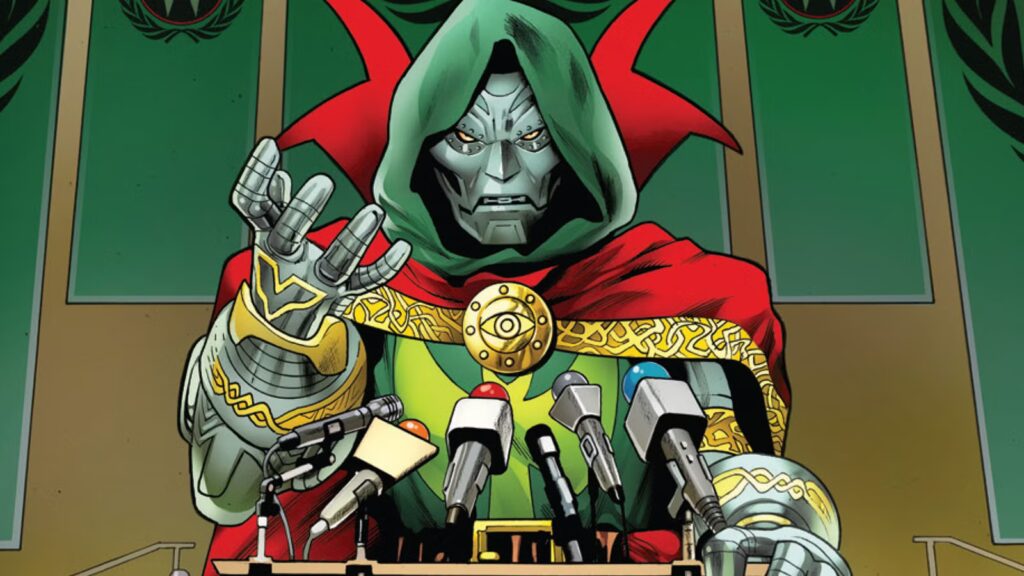
We saw this unprecedented cycle recently with the iconic Doctor Doom. Despite the fanfare of a “death” or a final stand, characters of this magnitude often return almost immediately to lead the next major status quo. This failure to have real, lasting consequences makes the stories feel less important. If the stakes don’t stick, the emotional weight of the crossover starts to vanish entirely. This is why many fans are looking for stories that offer more than just shock value.
We’re also seeing a lot of unpredictable sales drops because of this repetitive nature. A visceral look at the numbers shows that “buying for profit” isn’t the equilibrium it used to be. Fans want stories that mean something, not just manipulating events designed to sell more toys or movie tickets. The phenomenon of corporate synergy is great, but it shouldn’t come at the cost of a good, solid plot.
Sometimes, the weirdest crossovers—like when the Punisher met Archie or other whimsical team-ups—actually work better because they don’t take themselves too seriously. They offer an eccentric break from the intellectual weight of the “main” universe. Whether you are following an all-in reboot or just looking for a fun adventure, there’s a limit to how many “universes” a fan can save in one week.
In conclusion, the conversation around Comic Book Burnout: Are Crossover Events Getting Too Big? is at a critical crossroads. To keep the industry healthy and vibrant, we need to get back to the “story-first” mentality that made us fall in love with comics in the first place. When events are special and rare, they actually feel spectacular. By being a bit more selective, publishers can make sure the 2026 landscape is full of books people actually want to read, not just books they feel they have to buy. Don’t miss out on the biography of great stories—just remember that it’s perfectly okay to skip the “homework” once in a while.
📢 Join the Conversation
Are you feeling the crossover burnout, or are you still excited for every big announcement? What’s the one event you actually loved reading lately? Join the conversation on X and tag us @comicbookaddt to share your thoughts on the future of comics!
Follow our community for more updates: