The Lightning Bolt Strikes: The 1986 Debut of The Dark Knight Returns
The Dark Knight Returns officially redefined the superhero genre on this day, March 20, 1986, marking a pensive and industry-shaking milestone that remains the monumental benchmark for Batman storytelling. Making its debut in the first of four oversized prestige-format issues, the character was stripped of the campy vibrant baggage of the 1960s and thrust into a visceral, dystopian near-future. Created by the powerhouse vision of writer and artist Frank Miller, this narrative provided a definitive portal into a Gotham City where the law was as broken as the man who used to defend it.
The creative engine and authority behind this classic debut includes:
- The Architect: Frank Miller
- The Inker: Klaus Janson
- The Colorist: Lynn Varley
- The Publisher: DC Comics
The history of The Dark Knight Returns is rooted in a pensive mid-life crisis for both the creator and the character. Frank Miller was inspired by the gritty realism of Dirty Harry, specifically the film Sudden Impact, which features an aging lawman returning to duty after a long convalescence. Miller also cited his own increasing age as a factor, wanting to explore what happens when a legend outlives his time. Consequently, the transition from a retirement spent in a bottle to a mindblowing return to the cape highlights the intensity of Miller’s 80s work.
A Cold Night in Gotham: The Plot of The Dark Knight Returns
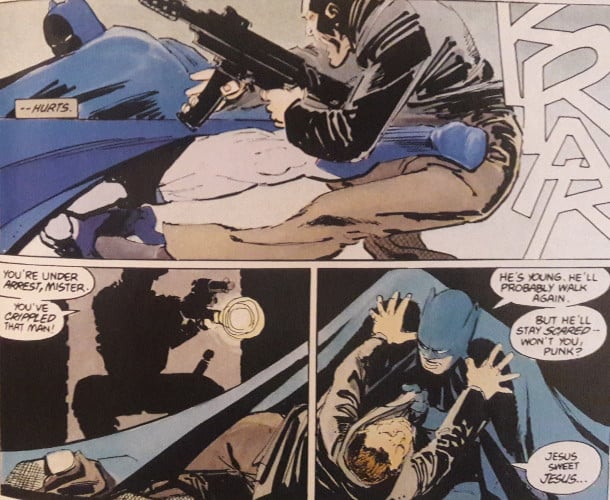
What readers should understand about the March 20th anniversary is the hierarchy of tension established in the opening pages. Set ten years after Bruce Wayne last donned the cowl, Gotham has become an intellectual vacuum of crime and government overreach. Bruce, now 50 years old, decides to return to his role as Batman to face a rising gang known as the Mutants. On his first night back, he puts a stop to multiple sophisticated assaults, including a rescue that would change the Bat-Family forever.
This first patrol features the pensive rescue of two young girls, Carrie Kelley and her friend Michelle. Inspired by Batman’s psychological impact, Carrie decides to take her destiny into her own hands. She purchases an imitation Robin costume and begins a tactical hunt to find the Dark Knight. Unlike previous Robins who were orphans taken in by Bruce, Carrie chooses the life of a vigilante out of pure inspiration. Transitioning from a lonely older man to a mentor once more, Wayne decides to keep Kelley as his new sidekick, establishing a rhythmic tension between his old methods and her youthful energy.
The Birth of Carrie Kelley and the New Robin
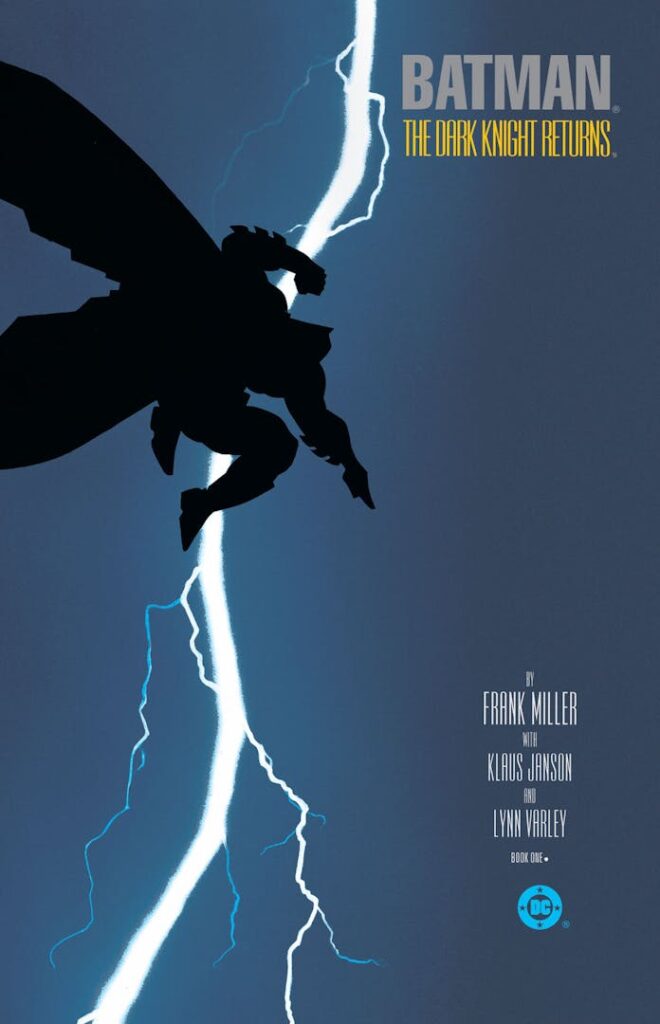
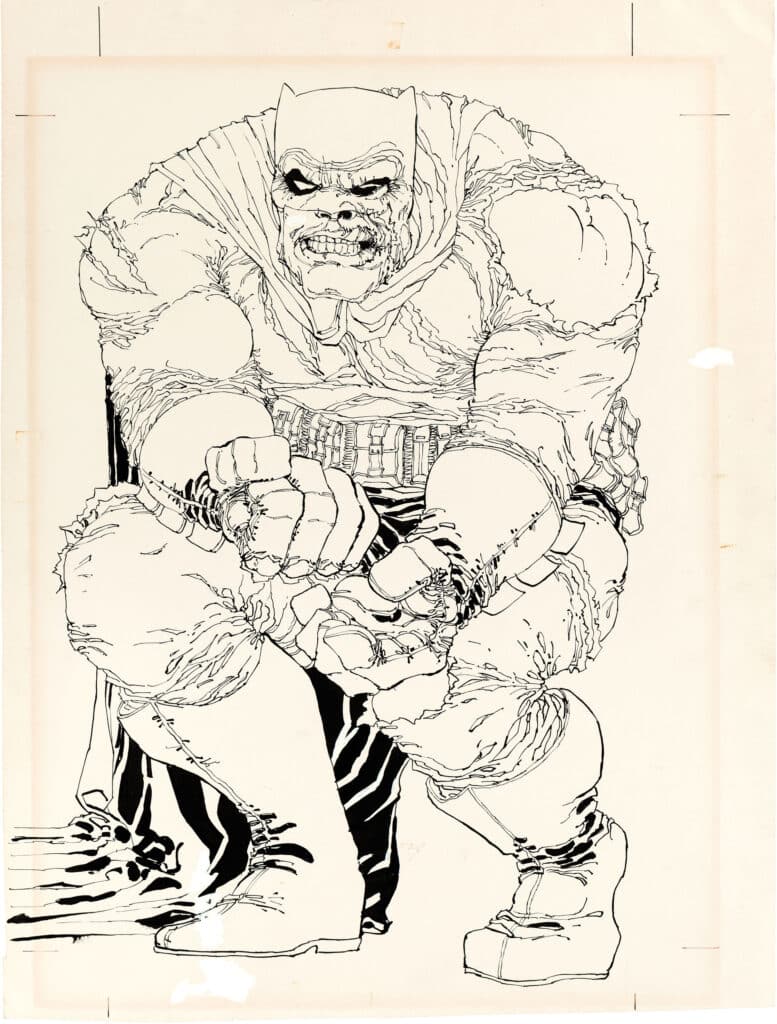
Visually, the comic book covers and interior art by Frank Miller and Klaus Janson in issue #1 created an immediate icon. The silhouette of Batman leaping across a lightning-filled sky remains one of the most valuable images in sequential art history, with the original cover art recently selling for a prestige-level $2.4 million. For fans who track new comics for their cultural footprint, the immense popularity of the series served to return Batman to the absolute center of pop culture, erasing the “bright” television image from the public consciousness.
Furthermore, The Dark Knight Returns is credited with launching the era known as the “Dark Age of Comic Books.” Alongside Watchmen, it proved that the medium could handle unwrapped political commentary and high-stakes deconstruction. The architect of this shift, Miller, utilized a 16-panel grid to control the pacing and create a sense of claustrophobia that perfectly mirrored Gotham’s state. It is a mathematical certainty that modern cinematic takes on Batman—from Tim Burton to Zack Snyder—owe their foundations to this 1986 release.
In conclusion, The Dark Knight Returns is an essential pillar of the medium. From its debut as a pensive character study to its status as the definitive “last” Batman story, it reflects the power of an original voice. Whether you are following the tactical movements of the Batmobile (reimagined as a tank) or simply soaking in the spectacular 80s artwork, this character is a mandatory piece of DC history. Don’t miss this portal into the “Dark Age” when you revisit the classics this month!
📢 Join the Conversation
Is The Dark Knight Returns still the greatest Batman story ever told? How do you think Carrie Kelley compares to the other Robins? Join the conversation on X and tag us @comicbookaddt to share your thoughts on Frank Miller’s legendary masterpiece!
Follow our community for more updates: