Shogun Warriors (comics): The 1979 Debut of Marvel’s Giant Robot Epic
By Patrick Cornish (The Digital Solutions)
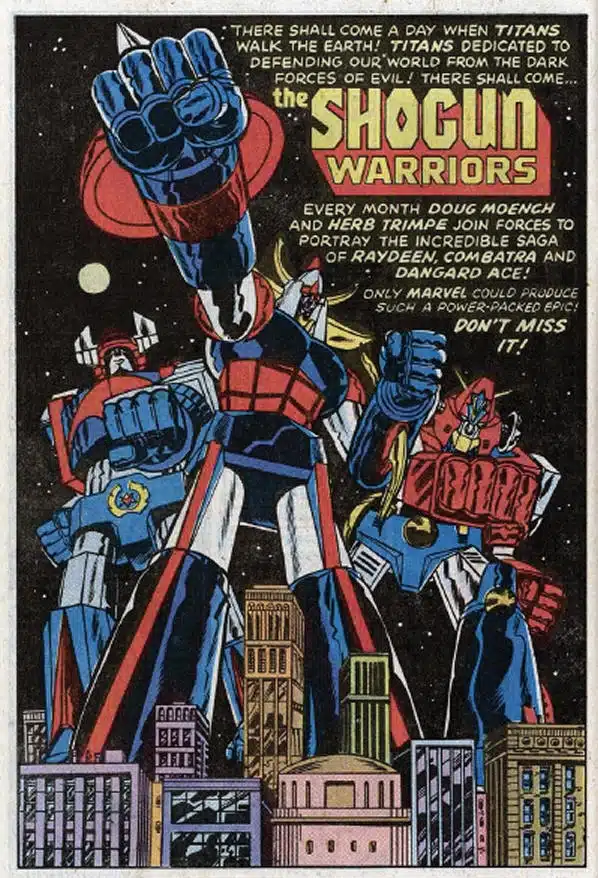
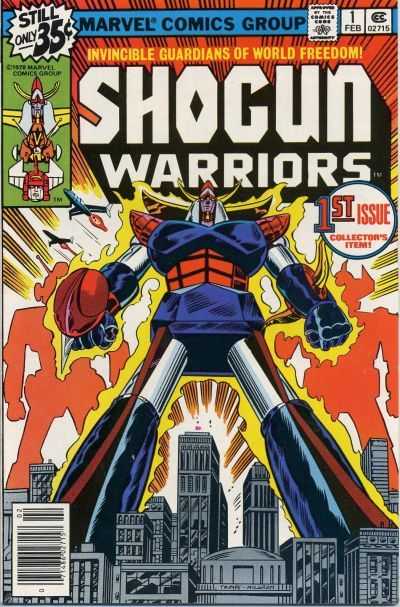
Shogun Warriors (comics) officially brought the “Super Robot” craze of Japan to the United States in 1979, marking a pensive and high-octane collaboration between Marvel Comics and Mattel. While the line began as a series of vibrant action figures, the comic book series provided a definitive narrative bedrock that grounded these massive mechanical titans within the primary Marvel Universe. Created by the powerhouse duo of writer Doug Moench and artist Herb Trimpe, this series was an adventure in world-spanning heroism that predated the Transformers by several years.
The creative authority and engine behind this classic run includes:
- Writer: Doug Moench (Moon Knight, Batman)
- Artist: Herb Trimpe (Incredible Hulk, G.I. Joe)
- Publisher: Marvel Comics
- Release Date: February 1979 – September 1980
The history of Shogun Warriors (comics) is rooted in a unique licensing agreement. Mattel had secured the rights to various giant robot designs from Japanese studios Toho and Toei, including icons like Raydeen, Combatra, and Dangard Ace. Marvel was tasked with weaving these disparate machines into a single cohesive series. Consequently, the transition from standalone toys to a shared continuity remains one of the most pensive examples of early licensed world-building.
The Global Mission of the Shogun Warriors (comics)
What readers should prepare for in the Shogun Warriors (comics) is a narrative that finds its heart in international unity. The story follows a secret society known as the “Followers of the Light,” who have operated for centuries to protect Earth from the “Followers of Darkness.” To combat this primordial threat, the Followers recruited three pilots from across the globe, each assigned to a different Shogun. This world-spanning trio was a hallmark of the vibrant inclusivity that Doug Moench brought to his latest releases during the Bronze Age.
The pacing of the series allowed for a deep dive into the psychological toll of piloting these behemoths. Transitioning from the quiet corridors of the Followers’ base to the explosive spectacle of robotic combat, the script balanced character-driven depth with high-stakes action. For fans who track comic book covers for their storytelling clues, the art by Herb Trimpe—who was already a master of “big thing” combat from his Hulk run—provided a visual authority that made the robots feel appropriately immense.
Pilots of the Mechanical Titans
Visually, the Shogun Warriors (comics) featured a roster that reflected the diversity of the human spirit. The pilots included:
- Richard Carson: An American stunt driver who piloted the solar-powered Raydeen.
- Genji Odashu: A female Japanese test pilot who controlled the five-part combiner, Combatra.
- Ilongo Savage: An African oceanographer who commanded the space-faring Dangard Ace.
Rendering these diverse biologies and cultures within the cockpit required a level of artistic authority that Trimpe delivered with visceral flair. Furthermore, the issue #1 debut established a hierarchy of threat that eventually brought the team into contact with the Fantastic Four and the giant monster Godzilla. This pensive integration into Earth-616 ensured that the Shogun Warriors (comics) felt like a tangible part of the Marvel Universe rather than an isolated advertisement.
However, the legacy of the series was cut short due to licensing complications. By the end of its 20-issue run, Marvel was forced to destroy the robots on-page to explain why they would no longer appear alongside the Avengers or the X-Men. While the mechanical shells were ground into scrap, their influence on the “mecha” genre in American new comics remains absolute. Transitioning from a 1979 first appearance to a cult classic, the Shogun Warriors remain a testament to the power of imagination.
In conclusion, Shogun Warriors (comics) is an essential, if often overlooked, pillar of Marvel’s Bronze Age history. By pairing the world-building expertise of Doug Moench with the stunning visuals of Herb Trimpe, Marvel guaranteed that the 1980s landscape would be defined by the “unwrapped” and raw creative energy of giant robot warfare. Don’t miss this portal into the past when you revisit the classics this month!
📢 Join the Conversation
Who was your favorite Shogun Warrior: Raydeen, Combatra, or Dangard Ace? Do you think the series would have lasted longer if it had stayed separate from the Marvel Universe? Join the conversation on X and tag us @comicbookaddt to share your thoughts on the mechanical titans!
Follow our community for more updates: