
Plastic to Paper: The Enduring Legacy of Comic Books Based on Toys
By Patrick Cornish (The Digital Solutions)
Comic Books Based on Toys represent a pensive and economically vital chapter in the history of sequential art, particularly during the marketing-heavy nostalgic era of the 1980s. While some purists once viewed these titles as mere advertisements, time has proven that many of these series provided a definitive spectacular narrative bedrock for characters that were originally designed for the playroom. From the tactical brilliance of G.I. Joe to the high-tech warfare of the Centurions, these adaptations highlight the vibrant and flexible nature of licensed storytelling.
The creative authority behind this industry-shaking movement includes:
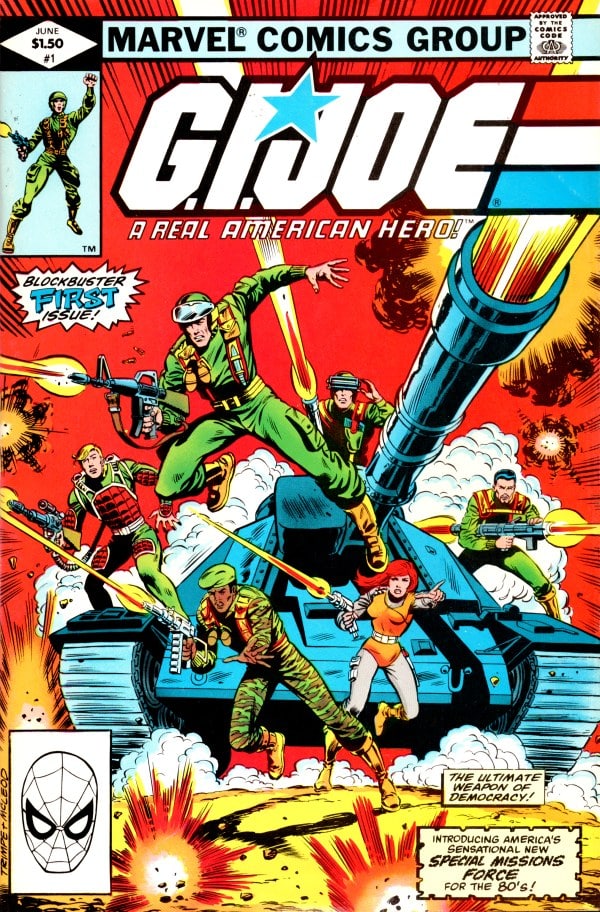
- G.I. Joe: A Real American Hero: Larry Hama, Herb Trimpe
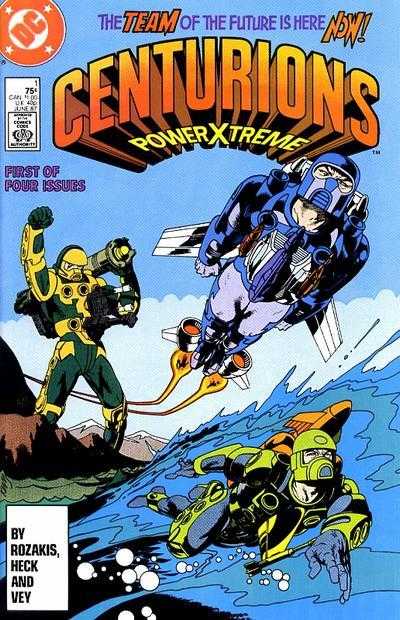
- The Centurions: DC Comics (1987 Limited Series)
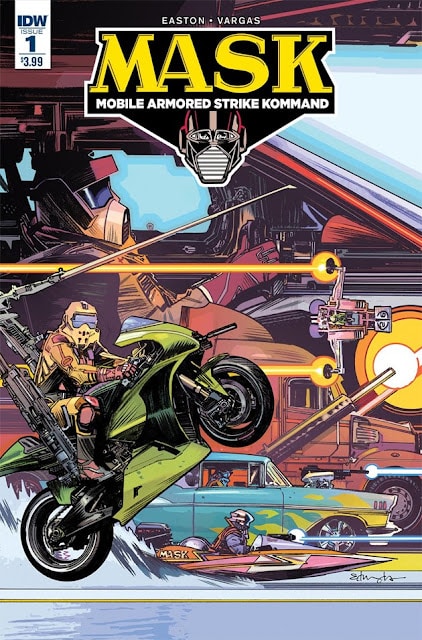
- M.A.S.K.: Brandon Easton, Tony Vargas (IDW)
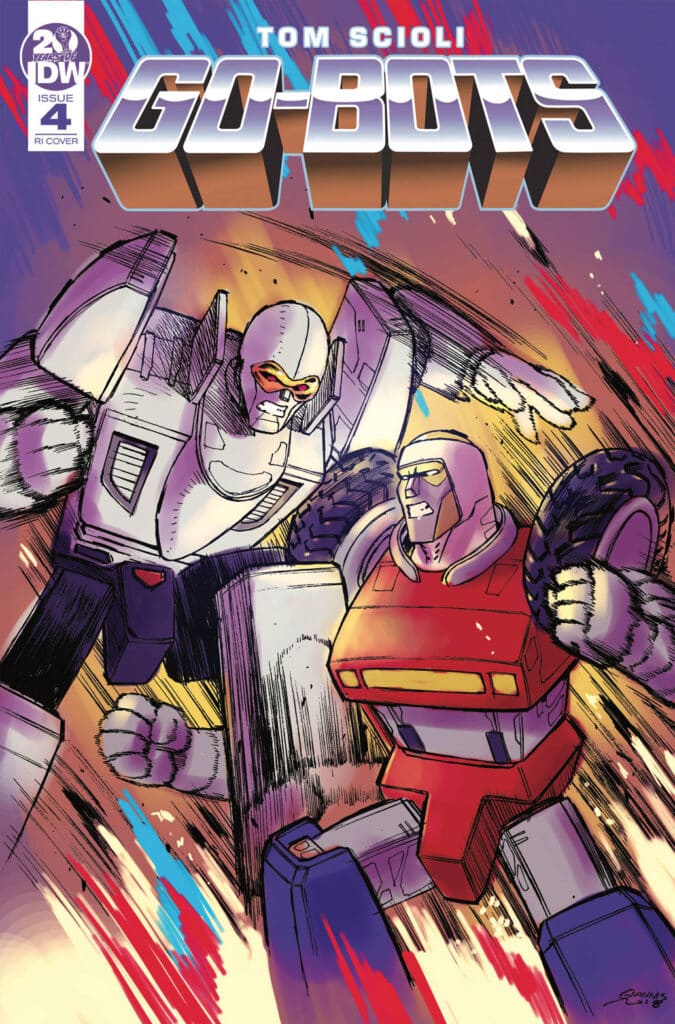
- GoBots: Tom Scioli (IDW Reboot)
The history of Comic Books Based on Toys is rooted in the loosening of advertising regulations for children’s television. As toys became cartoons, they also became new comics intended to flesh out the world-building that plastic and paint alone could not convey. Consequently, the transition from action figure accessories to pensive character arcs changed how a generation of readers perceived their favorites.
The Evolution of the Toy-Tie-In Genre
What readers should prepare for in an analysis of Comic Books Based on Toys is a study of how creative freedom can flourish within corporate constraints. The gold standard for this subgenre remains G.I. Joe: A Real American Hero, published by Marvel Comics. Writer Larry Hama utilized his own military experience to provide a hierarchy of realism and pensive intelligence to the Joes and Cobra. His dossiers (the file cards on the back of the toy packaging) were literally synthesized from the comic scripts he was writing, making the two mediums inseparable.
The pacing of these titles often mirrored the high-octane energy of the toy commercials. However, titles like The Centurions at DC Comics took a more sophisticated approach. Based on the 1986 toy line by Kenner, the comic explored a PowerXtreme world where Max Ray, Jake Rockwell, and Ace McCloud utilized modular exo-frames to battle the cyborg forces of Doc Terror. For fans who track comic book covers for their technical detail, the four-issue DC series remains a pensive example of late 80s visual authority.
The Strategy of the Marvel Age: G.I. Joe and Beyond
Visually, Comic Books Based on Toys have often pushed the boundaries of spectacular design. While G.I. Joe focused on gritty military tactics, other lines like GoBots struggled for authority against their more popular rivals, the Transformers. Often dismissed as “generic,” the GoBots eventually found a pensive and surreal redemption in recent years. Specifically, creator Tom Scioli’s IDW run reimagined the franchise as an original and experimental sci-fi epic, proving that any IP can be unwrapped and made meaningful with the right creative voice.
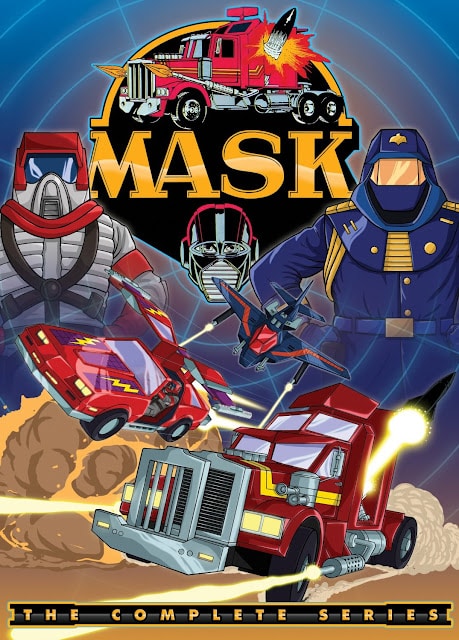
Furthermore, the M.A.S.K. (Mobile Armored Strike Kommand) franchise has seen various appearances in comic form, ranging from UK-exclusive annuals to modern IDW revivals. These stories utilize the “cars with secrets” rhythms to tell a story of revolution against the V.E.N.O.M. organization. For those following new comics, the 2016 M.A.S.K. #1 established a level of narrative authority that connected the property to the wider Hasbro Universe, including the Transformers and G.I. Joe.
The interaction between the toy industry and the comic industry continues to be a mathematical certainty for success. Transitioning from the simple “collect ’em all” mentality of the 80s to the pensive “multi-generational saga” approach of the 2020s, Comic Books Based on Toys have become a respected sub-genre. Whether it is the world-building of the Centurions PowerXtreme or the grit of a Joe monthly, these books are mandatory reading for anyone interested in the commercial and creative evolution of the medium.
In conclusion, Comic Books Based on Toys are more than just merchandise; they are the architectural plans for some of pop culture’s most enduring worlds. By pairing the world-building expertise of veteran writers with the stunning visuals of industry-leading artists, these series have guaranteed that the 2026 landscape remains a playground for the imagination. Don’t miss the portal into these classic universes when you revisit your collection this season!
📢 Join the Conversation
Which toy-based comic had the biggest impact on your childhood—G.I. Joe, M.A.S.K., or the Centurions? Do you think the GoBots are unfairly judged compared to Transformers? Join the conversation on X and tag us @comicbookaddt to share your thoughts on the best toy tie-ins!
Follow our community for more updates:


