More Than a Gimmick: How Variant Covers Drive the Modern Comic Industry
Variant Covers are officially the heartbeat of the modern comic shop experience, transforming the vibrant walls of local retailers into a rotating gallery of contemporary art. While some critics initially dismissed them as a 90s-era relic, the reality of the 2026 market proves that these alternative visuals are an essential economic engine. For fans and collectors alike, these covers offer a definitive portal into the creative diversity of the medium, allowing multiple artistic voices to interpret a single narrative moment.
The creative and economic authority behind this spectacle includes:
- Key Artists: David Nakayama, Peach Momoko, Artgerm, J. Scott Campbell
- Market Leaders: Marvel Comics, DC Comics, Image Comics
- Market Trackers: CovrPrice, Comics Price Guide
Variant Covers serve a dual purpose that keeps the industry healthy. On one hand, they provide high-stakes adventure for speculators and investors hunting for rare “ratio” issues. On the other, they allow publishers to support niche titles that might otherwise struggle to find an audience. By offering multiple covers for a single issue, retailers are incentivized to order higher quantities, which in turn provides the financial stability necessary for creators to take risks with their storytelling.
The Evolution and Impact of Variant Covers
What readers should understand about the history of variant covers is that they didn’t start with the current deluge. As noted by Comics Price Guide, the first intentional variant is often credited to John Byrne’s The Man of Steel #1 in 1986. Since that pensive debut, the strategy has evolved into a sophisticated hierarchy of scarcity. Transitioning from simple color swaps to unique “store exclusives” and “convention variants” has created a global marketplace that was unimaginable during the Silver Age.
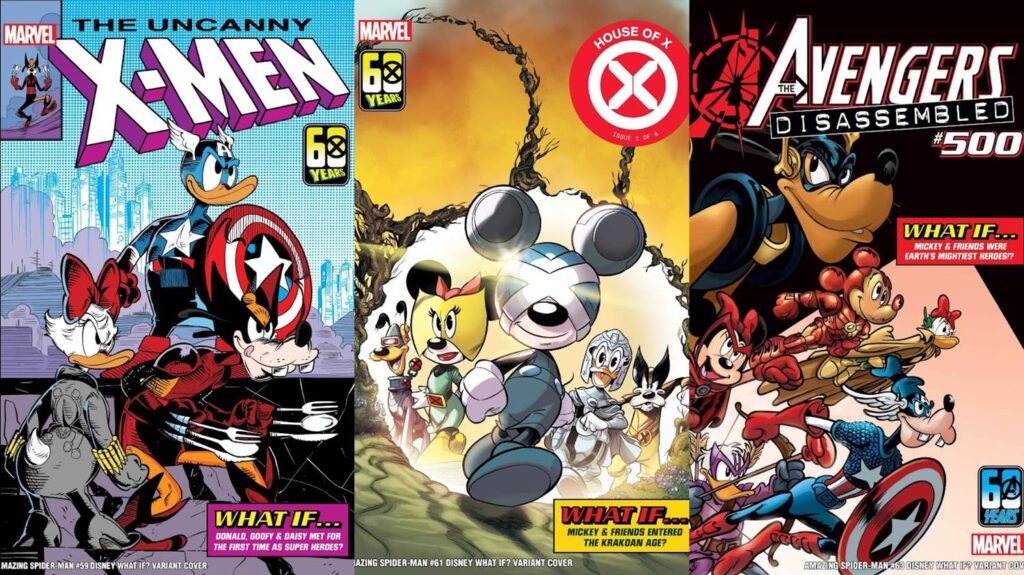
The impact is clearly visible in new comics releases from major publishers. For instance, Marvel recently leveraged its corporate synergy to produce Magic: The Gathering variants, which cross-pollinated two of the most loyal fanbases in geek culture. Similarly, the Ultimate Universe expansion utilized a wave of variants to signify a “new beginning,” proving that the right cover can be just as important as the script for establishing a brand’s authority.
The Mechanics of Ratio Variants
Visually, variant covers have reached a level of artistic prestige that rivals traditional gallery work. One of the most successful recent programs is David Nakayama’s Color Block series, which uses bold, minimalist aesthetics to stand out on a crowded shelf. However, the true “hunt” for many collectors involves the “ratio variant.”
A ratio variant is a comic that a retailer can only order if they purchase a specific number of the standard “Cover A.” Common ratios include:
- 1:10: One variant for every 10 standard copies ordered.
- 1:25: Often referred to as “incentive” covers, usually featuring high-profile artists.
- 1:100 or Higher: These are the “unicorns” of the hobby, commanding immense value on the secondary market.
According to Quality Comix, this system creates a built-in scarcity that drives the comic book covers market. It ensures that the most beautiful art remains a reward for those who support their local shops. Furthermore, the rise of digital platforms like CovrPrice allows collectors to track the real-time value of these acquisitions, turning the hobby into a sophisticated pensive investment.
In addition to the financial side, variant covers provide a platform for international artists who might not have the schedule to illustrate full interior pages. Artists like Peach Momoko have built entire careers off their distinctive “Momoko-verse” variants. Consequently, the industry is more diverse and visually rich than ever before. Whether you are following the tactical movements of the speculative market or simply soaking in the spectacular artwork, these covers are a mandatory part of the modern experience.
In conclusion, variant covers are far more than a marketing gimmick; they are a mathematical certainty for the industry’s continued survival. By pairing world-class artistic talent with an innovative economic model, publishers have guaranteed that every Wednesday remains an event. Don’t miss out on the next big key issue—check the variant list at your local shop and get dangerous with your collection!
📢 Join the Conversation
Are you a “Cover A” purist, or do you hunt for the 1:100 ratios? Which artist’s variant are you currently chasing for your PC? Join the conversation on X and tag us @comicbookaddt to share your latest mail call!
Follow our community for more updates: