Beyond the Action Figure: Ranking the 7 Greatest Toy-Based Comic Series in History
Greatest Toy-Based Comic Series discussions take us back to an era where the neighborhood comic shop and the local toy aisle were essentially the same kaleidoscopic world. While many saw these books as simple marketing tools, the foundations of the modern “expanded universe” were actually built here. From the grit of tactical warfare to the breath-taking scope of cosmic horror, the 1980s allowed creators to “unwrapped” stories that were far more spirited than anyone expected. For fans who want to see the foundations of their childhood heroes rebuilt for a modern audience, these series remain the definitive blueprint for quality.
The creative engine and authority behind this industry-shaking movement includes:
- The Architects: Larry Hama, Bill Mantlo, Bob Budiansky, and Doug Moench.
- The Visualists: Michael Golden, Herb Trimpe, and Sal Buscema.
- The Publishers: Marvel Comics and DC Comics.
- The Brands: Hasbro, Mattel, Takara, and Kenner.
For anyone tracking new comics history, the “Marvel Age of Licensing” was a mathematical certainty for success because it treated plastic playthings with world-class narrative authority. Consequently, these latest releases of the past have become the archives of today, proving that a great story is eternal, regardless of its origin.
1. G.I. Joe: A Real American Hero (Marvel Comics)
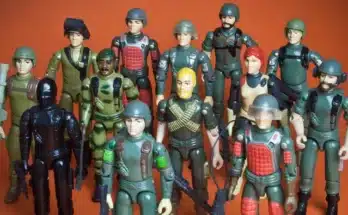
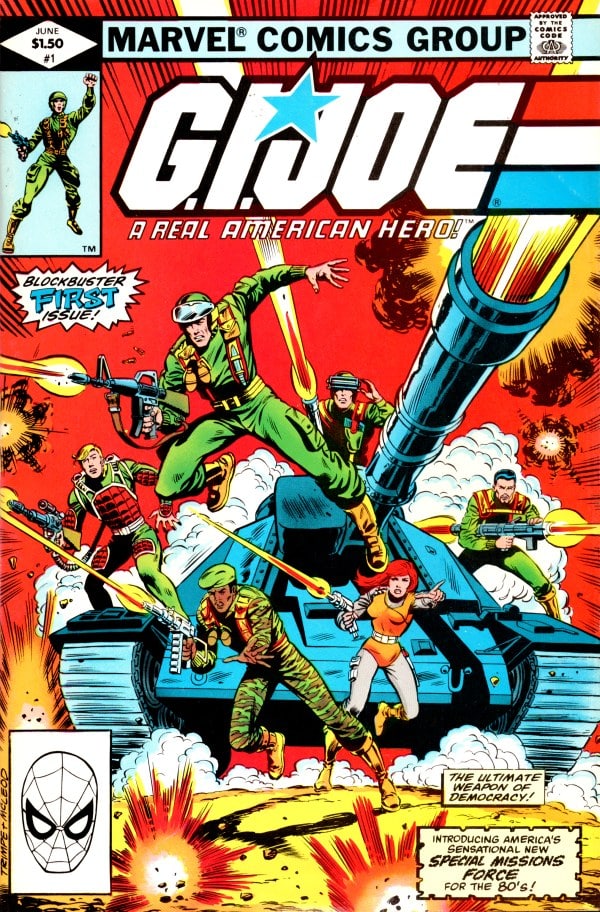
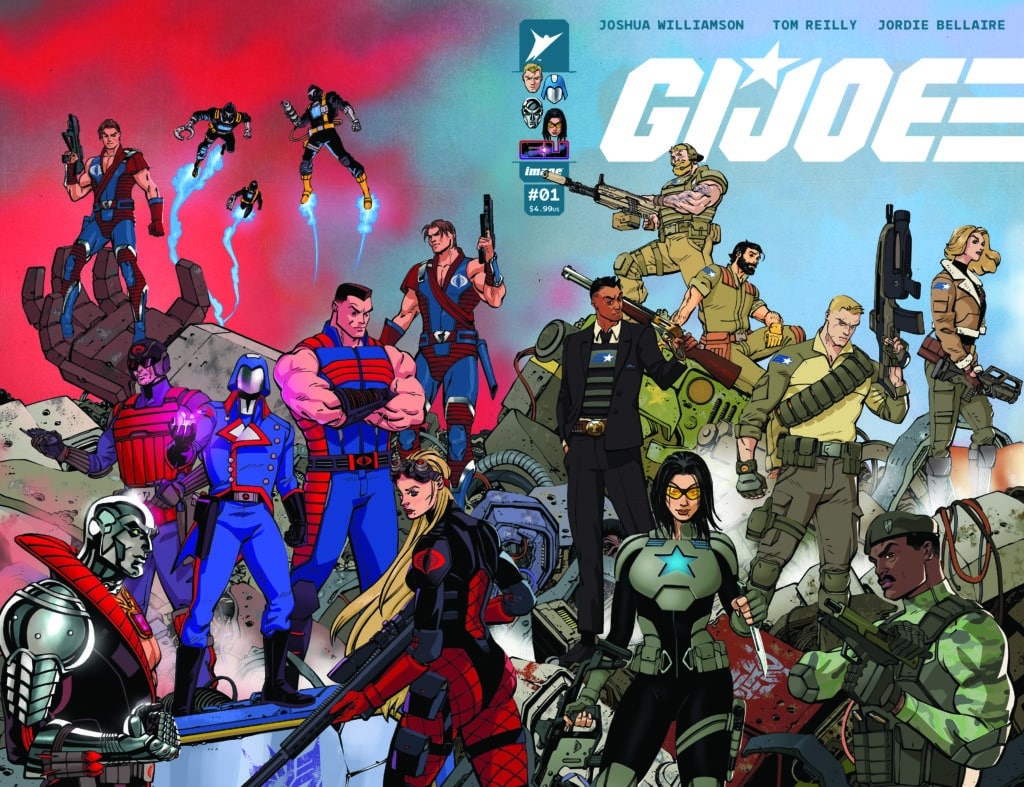
If there is a crown jewel in the history of the Greatest Toy-Based Comic Series, it is undoubtedly the 155-issue epic by Larry Hama. When Marvel Comics partnered with Hasbro in 1982, Hama brought a tactical realism to the Joes that was almost entirely unwrapped from his own military background.
The pacing of the series was relentless, introducing iconic characters like Snake Eyes and Storm Shadow through a hierarchy of intelligence and grit. This wasn’t just a toy tie-in; it was a study of duty and betrayal that established a legacy that continues to define the franchise in the current Energon Universe.
2. Rom: Spaceknight (Marvel Comics)
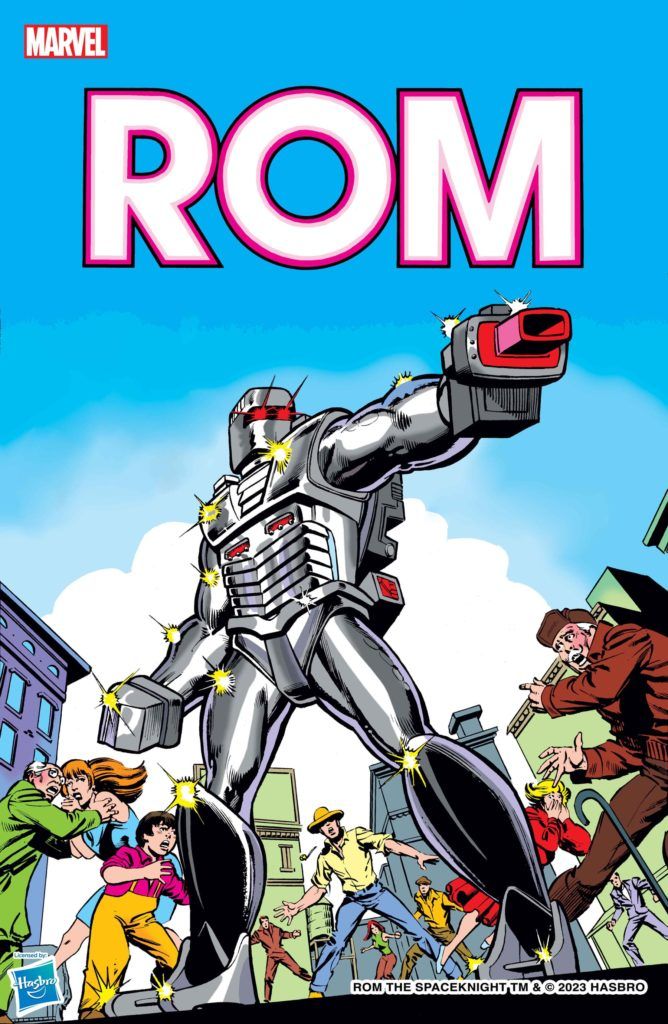
The inclusion of Rom: Spaceknight on this list is a testament to the “alchemy” of Bill Mantlo. Based on a clunky electronic toy that failed at retail, Mantlo crafted a magnificent and tragic backstory for the character. Rom became a cyborg martyr from Galador, sacrificing his humanity to hunt the shape-shifting Dire Wraiths.
The character’s longevity is absolute, as evidenced by the all-new omnibus collections recently released by Marvel. Sal Buscema’s breath-taking artwork provided a spectacular visual anchor for this cosmic horror odyssey, proving that even a boxy toy can lead a world-class literary saga.
3. Micronauts (Marvel Comics)
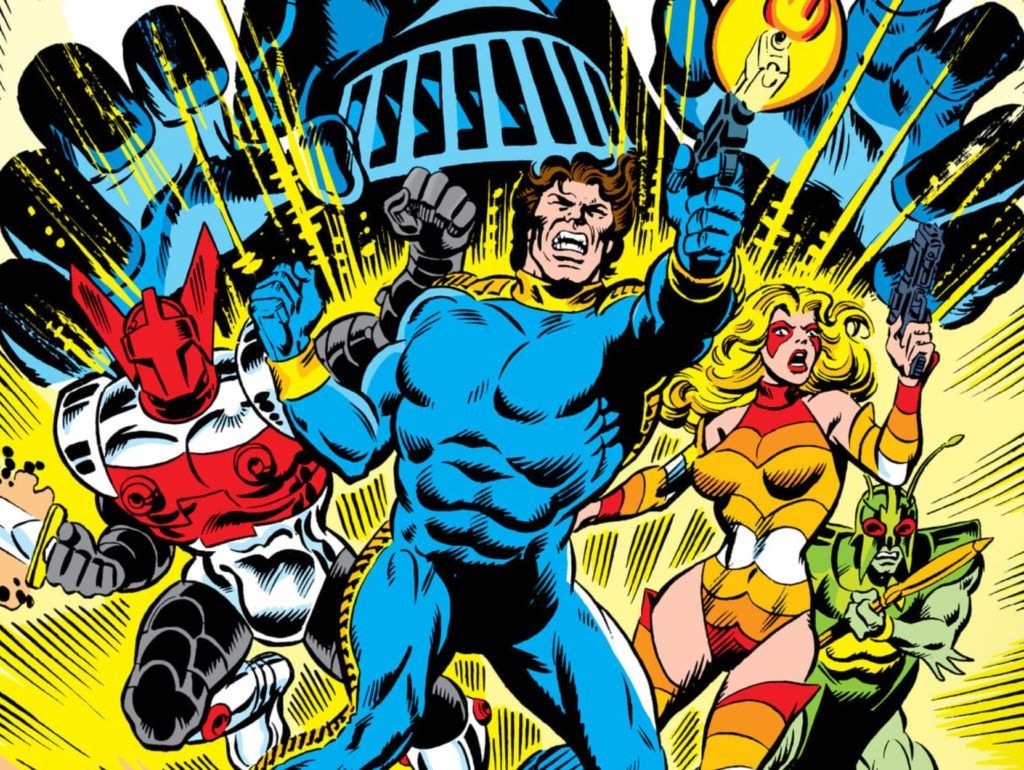
Prepare to shrink down into a jaw-dropping world of scale and sci-fi wonder. Micronauts took a line of Japanese interchangeable toys and transformed them into a high-fantasy epic that rivaled Star Wars in complexity.
Under the guidance of Bill Mantlo and Michael Golden, the series introduced the Microverse—a kaleidoscopic realm of diverse biologies and tyrannical rulers. For those exploring the archives, Golden’s intricate and rhythmic art remains a blueprint for modern visual storytelling. It is a mathematical certainty that the “Quantum Realm” we see in films today has its roots in this 1979 masterpiece.
The Bill Mantlo Era and the Galactic Omnibus
Visually and narratively, Bill Mantlo was the primary engine for the success of licensed properties. He had a spirited ability to find the soul in the mechanical. Whether he was exploring the foundations of the Microverse or the isolation of Galador, his scripts maintained a rhythm that elevated the entire collection into something that felt vital and original.
4. The Transformers (Marvel Comics)
While the cartoons were bright and fun, the Marvel comic offered a darker, more introspective look at the Cybertronian civil war. Writers Bob Budiansky and Simon Furman portrayed the Autobots and Decepticons as a dying race struggling for fuel and purpose on a primitive Earth.
Transitioning from simple robot fights to metaphorical battles over religion and leadership, the series established a hierarchy of stakes that felt truly global. For fans tracking new comics today, the “Robots in Disguise” remain a mandatory part of any serious library.

5. Masters of the Universe (DC Comics)
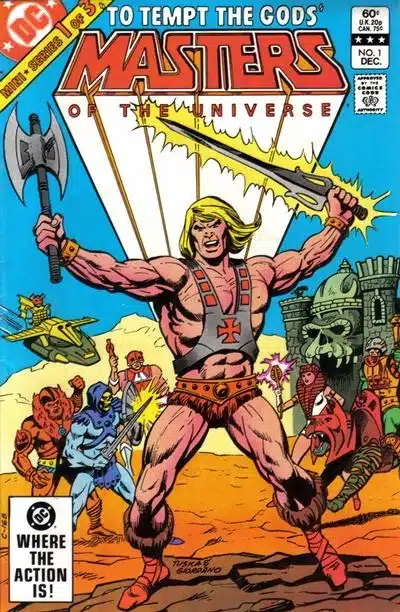
While Marvel led the way, DC Comics delivered an extraordinary contribution with their mid-80s take on Eternia. By pairing He-Man with the vibrant heroes of the DC Multiverse, the publisher created a spectacular crossover that redefined the power levels of the brand.
The interaction between the barbarian aesthetics of He-Man and the high-tech superheroics of the JLA provided a rhythmic tension that made the adventure feel both expansive and grounded. For fans who track comic book covers, the DC issues featuring Castle Grayskull remain some of the most spirited pieces of art in the archives.
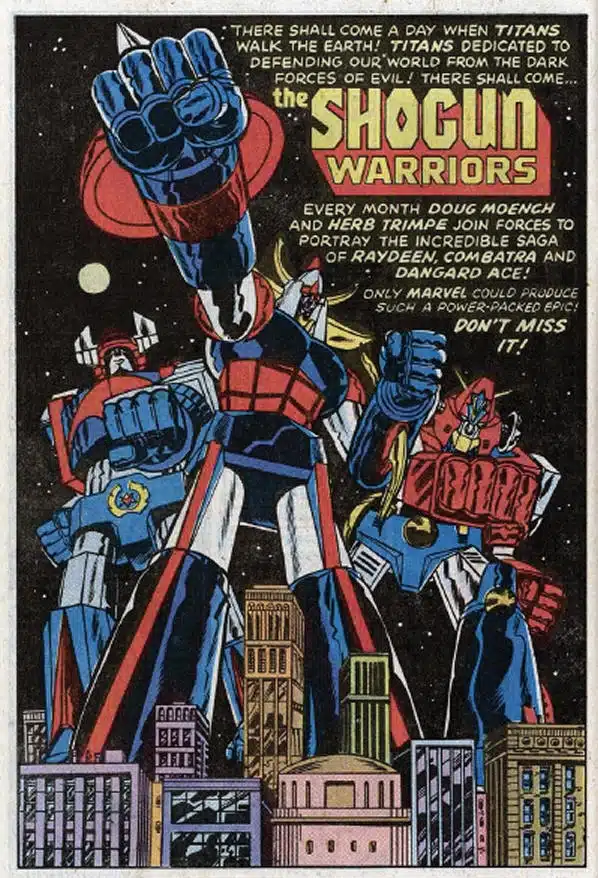
6. Shogun Warriors (Marvel Comics)
Based on the massive Mattel toy line that licensed Japanese “Super Robot” designs, Shogun Warriors officially brought the “Mecha” craze to the United States in 1979. Managed by the legendary Doug Moench and Herb Trimpe, the series was a visceral exploration of diverse biologies and international cooperation.
The pacing of the series allowed for a deep dive into the psychological toll of piloting colossal mechanical titans. Rendering a “different kind of space war” required a level of artistic authority that Trimpe delivered with visceral flair. Transitioning from standalone toys to a calculated integration into the Marvel Universe, the series remains a mandatory read for anyone serious about the medium.
7. The Saga of Crystar: Crystal Warrior (Marvel Comics)
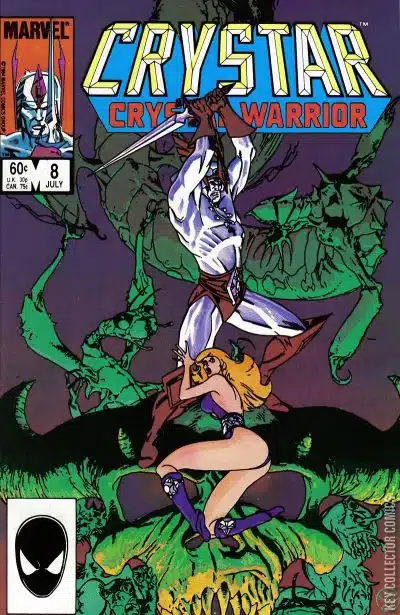
One of the most eccentric entries on our list of the Greatest Toy-Based Comic Series is The Saga of Crystar. Launched in 1983 as part of a thoughtful and ultimately short-lived Remco toy line, the comic was actually developed before the figures arrived.
Created by Mary Jo Duffy and Ricardo Villagran, the series followed the breath-taking struggle between the forces of Order (Crystal) and Chaos (Magma). While the toys were a commercial failure, the comic became a cult favorite for its original world-building and the presence of a young Dan Glenn. It stands as a study on the bravery required to launch a new IP in a market dominated by icons.
In conclusion, the Greatest Toy-Based Comic Series are far more than just “ads” for plastic. They are the architectural plans for some of the most enduring sagas in fiction. By pairing the world-building expertise of veteran writers with the stunning visuals of industry-leading artists, these series have guaranteed that the 2026 landscape remains a playground for the imagination. Don’t miss the portal into these classic universes when you revisit your collection this season!
📢 Join the Conversation
Which toy-based series defined your childhood—G.I. Joe, Transformers, or the Micronauts? Do you think Rom: Spaceknight is the most underrated character in Marvel’s cosmic archives? Join the conversation on X and tag us @comicbookaddt to share your favorite toy-tie-in memories!
Follow our community for more updates: