The Lost Empire: Why the Ultraverse is Ready for a 2026 Resurrection
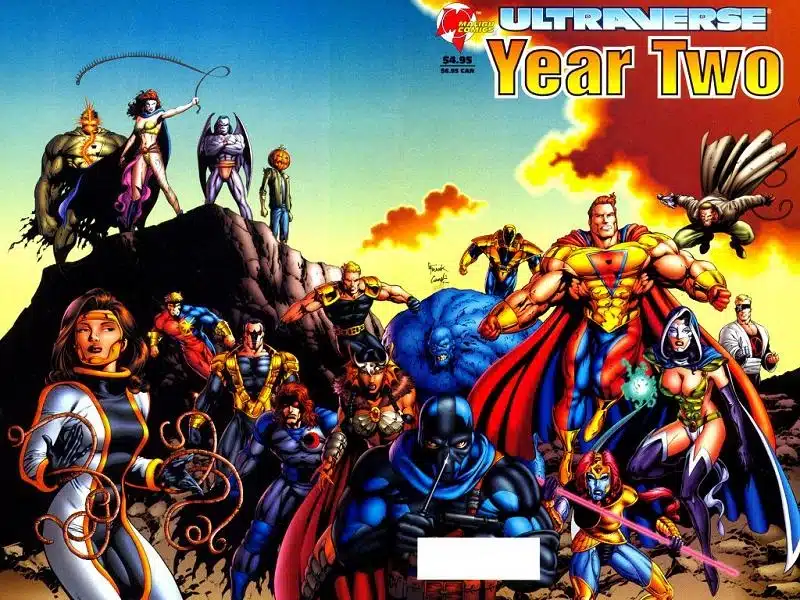
Ultraverse is officially remembered as the pensive and vibrant turning point of the 1990s, where an independent publisher actually challenged the “Big Two” for market dominance. Launched in 1993 by Malibu Comics, this shared universe was built on a spectacular foundation of high production values and extraordinary world-building. For fans who want to see the foundations of a world that once outsold DC, this archives-filled era remains a definitive portal into the high-stakes adventure of the “Ultra” age.
The creative engine and authority behind this phenomenon includes:
- The Architects: Steve Gerber, James Hudnall, Gerard Jones, and Rick Hoberg
- The Concept: Humans (Ultras) gaining powers through the “Entity”
- The Acquisition: Purchased by Marvel Comics in 1994
- The Standouts: Prime, Night Man, Hardcase, and Mantra
The history of the Ultraverse is one of rapid ascent and sudden innovation. Malibu pioneered a digital coloring system that made their new comics look lightyears ahead of their competitors. Consequently, the transition from a scrappy indie house to a sentimental heavyweight attracted the intelligence of Marvel, who eventually acquired the line to secure their technological vantage.
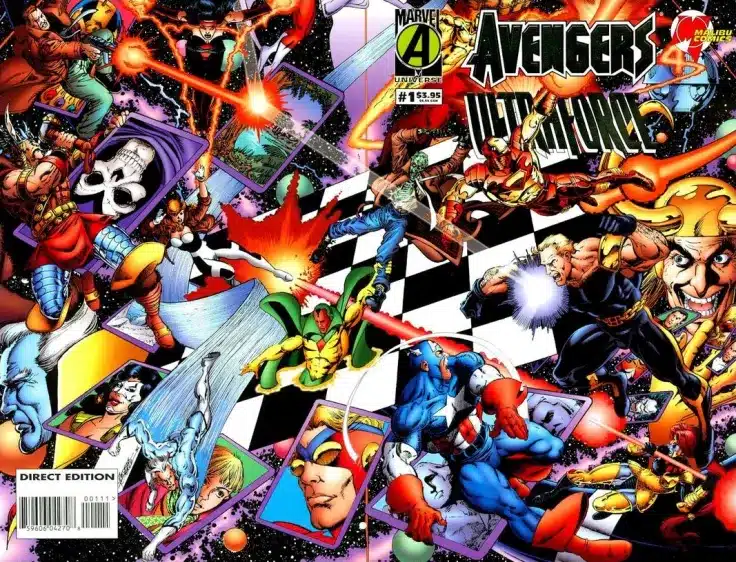
Why Marvel Hasn’t Used the Ultraverse in Decades
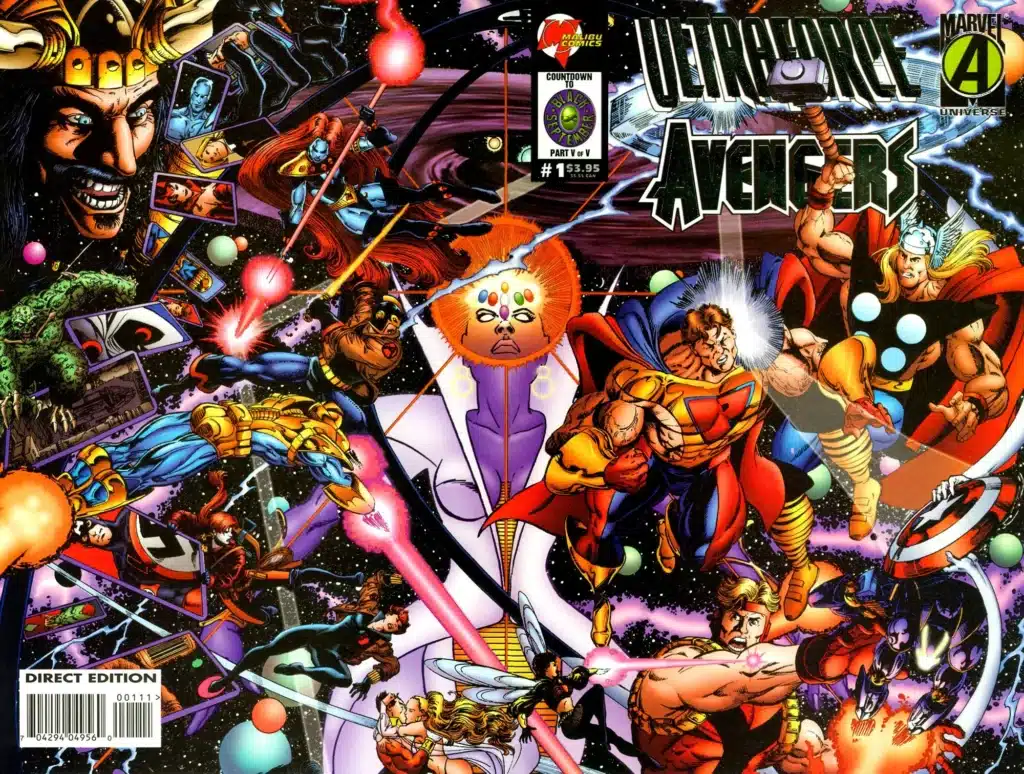
What readers should understand about the current conspiracy-riddled status of the characters is that they are trapped in a professional vacuum. Despite owning the library, Marvel has not published an unwrapped Ultraverse title since the mid-90s. The common rhythmic consensus suggests that complex royalty agreements with the original creators and owners have made the characters a macabre legal hurdle. Transitioning from the vibrant hype of their launch to the absolute silence of the 2020s, the line remains a pensive cautionary tale of corporate acquisitions.
However, in 2026, the landscape is shifting. With the multiverse being the central theme of modern cinema, the time is perfect for a mathematical certainty of revival. If Marvel can integrate the X-Men and Fantastic Four into their shared universe, the Ultras provide a fresh, gritty vanguard that could redefine the latest releases of the Marvel timeline.
Prime: The Crown Jewel of the Ultra-Era
Personally, Prime was always my favorite character in the entire archives. The story of Kevin Green, a 13-year-old boy who could “generate” a massive, hyper-muscular adult body from a liquid organic matter, was the ultimate deconstruction of the superhero fantasy. Prime wasn’t just a strongman; he was a pensive study on the vulnerability of adolescence wrapped in a spectacular and often gross-out aesthetic. Rendering the “shedding” of his body required a level of artistic authority that defined the Malibu brand.
The character had his own video game and was the poster boy for the line’s innovation. Seeing Kevin struggle to maintain his maturity while inhabiting the body of a demigod provided a rhythmic tension that made every issue a “must-read.” If Marvel were to bring back just one character in 2026, it is a mathematical certainty that Prime would be the most successful slam dunk of the decade.
In conclusion, the Ultraverse remains one of the most extraordinary and missed opportunities in sequential art history. From the tactical brilliance of Hardcase to the mythic power of Mantra, these characters deserve a second chance to shine under the modern Marvel banner. Whether you are following the pensive analysis of the legal limbo or simply soaking in the spectacular 90s artwork, this is a legacy worth fighting for.
📢 Join the Conversation
What do you miss most about the Malibu era? Was it the spectacular coloring, or characters like Prime and Night Man? If you could pick one Ultra to join the MCU, who would it be? Join the conversation on X and tag us @comicbookaddt to share your memories of the Ultraverse!
Follow our community for more updates: