Resurrection Man: The 1997 Debut of DC’s Man of a Thousand Lives
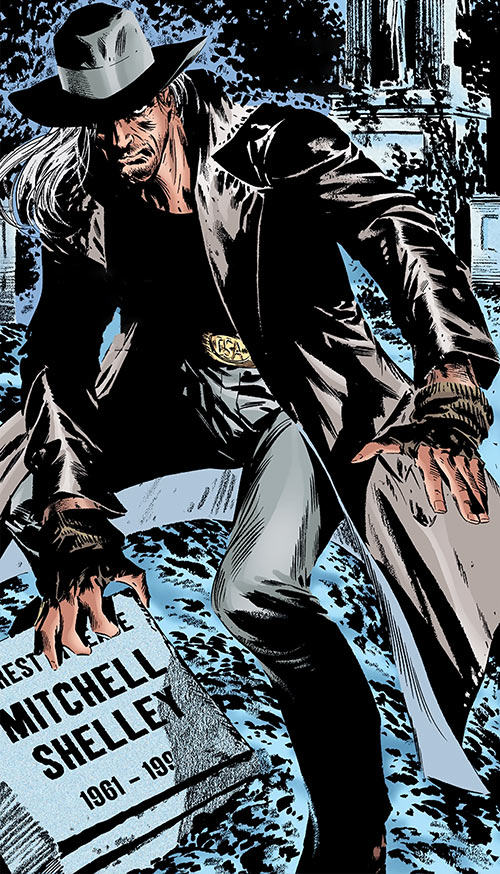
Resurrection Man officially stepped into the DC Universe on this day, March 19, 1997, marking a pensive and genre-defying milestone that remains one of the most original concepts of the late 90s. Making his first appearance in the pages of his self-titled series, Resurrection Man #1, Mitchell Shelley introduced a visceral blend of road-trip noir and nanotechnology-driven horror. Created by the powerhouse writing duo of Dan Abnett and Andy Lanning alongside artist Butch Guice, the character provided a definitive portal into a world where death is not an end, but a violent catalyst for evolution.
The creative engine and authority behind this classic debut includes:
- Writers: Dan Abnett & Andy Lanning (Guardians of the Galaxy, L.E.G.I.O.N.)
- Artist: Butch Guice (Action Comics, Captain America)
- Publisher: DC Comics
- Release Date: March 19, 1997
The history of Resurrection Man is rooted in a pensive mystery regarding identity. Before he was an immortal wanderer, Mitch Shelley was a successful lawyer who found himself an unwilling test subject for an organization known only as “the Lab.” Subjected to experimentation with specialized devices nicknamed tektites, Shelley’s very molecular structure was rewritten. Consequently, his journey from a man of law to a fugative of science highlights the vibrant and flexible nature of DC’s late “modern age” lore.
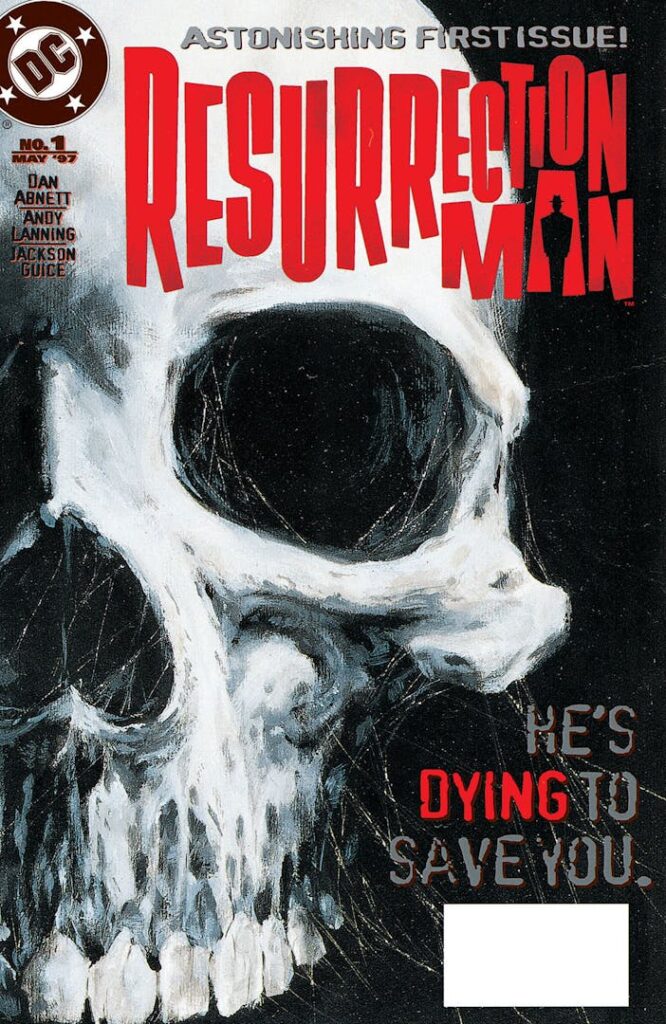
The Rebirth Mechanics of Resurrection Man
What readers should understand about the March 19th anniversary is the unique hierarchy of Mitchell Shelley’s powers. While the experiments rendered him immortal, it came with a twisted process. Shelley could still be killed, but his death would last only a matter of seconds. Upon waking, he would be reborn with a brand-new superpower specifically influenced by the way he was last killed. If he died by fire, he might return with pyrokinesis; if he was crushed, he might return with superhuman density.
The pacing of the series allowed for a deep dive into the psychological toll of dying “over and over again.” Transitioning from the quiet isolation of his lost memory to the high-intensity adventure of his cross-country trek, the script balanced character-driven depth with a “power of the week” gimmick that never felt stale. For fans who track new comics for their creative Rule-breaking, seeing how Shelley would utilize his latest “curse” to survive was a mathematical certainty for a “slam dunk” reading experience.
The Eternal Conflict: Vandal Savage and the Body Doubles
Visually, Resurrection Man was a spectacular achievement for Butch Guice. His gritty, shadow-heavy style was perfect for a hero who lived in the grimy motels and backroads of America. The character’s appearances were frequently marked by a confrontation with his absolute opposite: the immortal conqueror Vandal Savage. Because Savage had lived for millennia through natural longevity, he viewed Shelley’s “tektite” immortality as a pensive insult, leading to a feud that spanned the entire series.
Furthermore, the comic book covers for the original run are celebrated for their moody, cinematic aesthetic. Collectors often hunt for the issues featuring the Body Doubles, a pair of high-fashion assassins hired by the Lab to retrieve their “property.” These recurring villains added a level of dark humor and rhythmic tension to Shelley’s quest for his identity. Despite being a “B-side” hero, Mitch’s alliances and friendships with members of the Justice League—including a pensive stint during the DC One Million event—built a level of industry authority that eventually led to a New 52 revival.
In addition to the physical combat, the dialogue remained sharp and grounded in the tragedy of a man who couldn’t remember his past but was forced to die for his future. The irony of a lawyer fighting for a soul he wasn’t sure he still possessed provided the thematic backbone for the book. Whether you are following the tactical movements of the Lab’s agents or simply soaking in the spectacular 90s artwork, Resurrection Man remains a mandatory piece of DC history.
In conclusion, Resurrection Man is an essential pillar of the “weird” side of the DC Multiverse. From his debut as a confused amnesiac in South Carolina to his status as a seasoned veteran of cosmic wars, he reflects the power of resilience. Whether he is appearing in new comics today or being rediscovered in prestige collections, his legacy is one of blood, tektites, and absolute narrative authority. Don’t miss this portal into the “Man of a Thousand Deaths” when you revisit the classics this month!
📢 Join the Conversation
If you were Mitch Shelley, what power would you hope to wake up with? Do you think Vandal Savage is the ultimate rival for an immortal hero? Join the conversation on X and tag us @comicbookaddt to share your thoughts on Resurrection Man!
Follow our community for more updates: