How to Start Collecting Comic Books: The Definitive Guide for Enthusiasts
How to Start Collecting Comic Books is officially the gateway to a lifetime of vibrant storytelling and potentially lucrative investment. Whether you are drawn to the medium by the latest cinematic blockbuster or a pensive love for the printed page, the hobby offers a unique portal into pop culture history. According to The CGC Comic Shop, the first rule of the game is simple: collect what you love. Transitioning from a casual reader to a serious collector requires a blend of passion and technical knowledge that we are excited to help you master.
The world of comic book collecting is as vast as the Marvel and DC Multiverses combined. To succeed, you must move beyond simply buying issues and begin to think like a curator. For many, the adventure begins at a local comic shop (LCS), but the modern era has expanded the hunt to online auctions, convention floors, and even digital marketplaces.
Your First Steps in How to Start Collecting Comic Books
What readers should prepare for when learning how to start collecting comic books is the need for a focused strategy. Diving in without a plan can lead to a cluttered “bin” of issues with little long-term value or personal resonance. As suggested by the SDSU Comics Blog, you should consider focusing your initial efforts on specific pillars:
- Character Focus: Do you love Batman, Spider-Man, or Spawn? Following a single character allows you to track their entire historical evolution.
- Creator Focus: Many collectors prioritize the works of specific writers like Rick Remender or artists like Joëlle Jones.
- Genre Focus: From Wicked Horror to indie romance, genre-specific collecting is a pensive way to build a unique library.
- Key Issues: Hunting for “keys”—first appearances, iconic deaths, or landmark comic book covers—is a high-stakes way to build value.
Setting a Budget and Avoiding the Speculator Trap
One of the most critical dos and don’ts of the hobby is establishing a clear financial boundary. The “speculator trap” is a rhythmic tension in the industry where collectors buy dozens of copies of a single issue hoping it will skyrocket in value. While GoCollect notes that comics can be a “must-slab” investment, it is a mathematical certainty that most modern books will not reach Silver Age prices overnight.
Pacing your purchases is essential. Instead of chasing every new comic variant, focus on high-quality “back issues” that have established market authority. Tools like price guides and digital tracking apps can provide a hierarchy of data to help you make informed decisions. Furthermore, understanding the practical guide to development will ensure your collection grows in a way that is sustainable and rewarding.
Condition, Storage, and Grading Mastery
As you master how to start collecting comic books, you will quickly realize that “condition is king.” A comic that looks perfect to the naked eye might have subtle flaws—such as color breaking stress lines or minute spine splits—that drastically affect its CBR-verified market value. For those looking for the ultimate protection and investment stability, professional third-party grading is the industry standard.
Leading the charge in the authentication space are the Certified Guaranty Company (CGC) and the Comic Book Certification Service (CBCS). These organizations utilize a strict 10-point numeric scale to determine a book’s physical state, ranging from a 0.1 (Poor) to a perfect 10.0 (Gem Mint). Professional grading involves a rigorous inspection by experts who look for restoration and damage that a novice might miss. These “slabs” provide a pensive sense of security, sealing the book in a tamper-evident, archival-quality holder that provides a certified grade recognized by collectors and auction houses globally.
When deciding which service to use, consider their specialized programs:
- CGC Signature Series: Their famous “yellow label” ensures that an artist’s or writer’s signature was witnessed by a CGC representative.
- CBCS Verified Signature: This unique service allows for the authentication of signatures that were not witnessed, utilizing forensic handwriting analysis to provide peace of mind.
However, many collectors prefer “raw” books for the ability to actually turn the pages. If you choose to keep your comics unslabbed, you must prioritize storage:
- Bags and Boards: Use acid-free mylar bags and archival-quality backing boards to prevent yellowing and “foxing.”
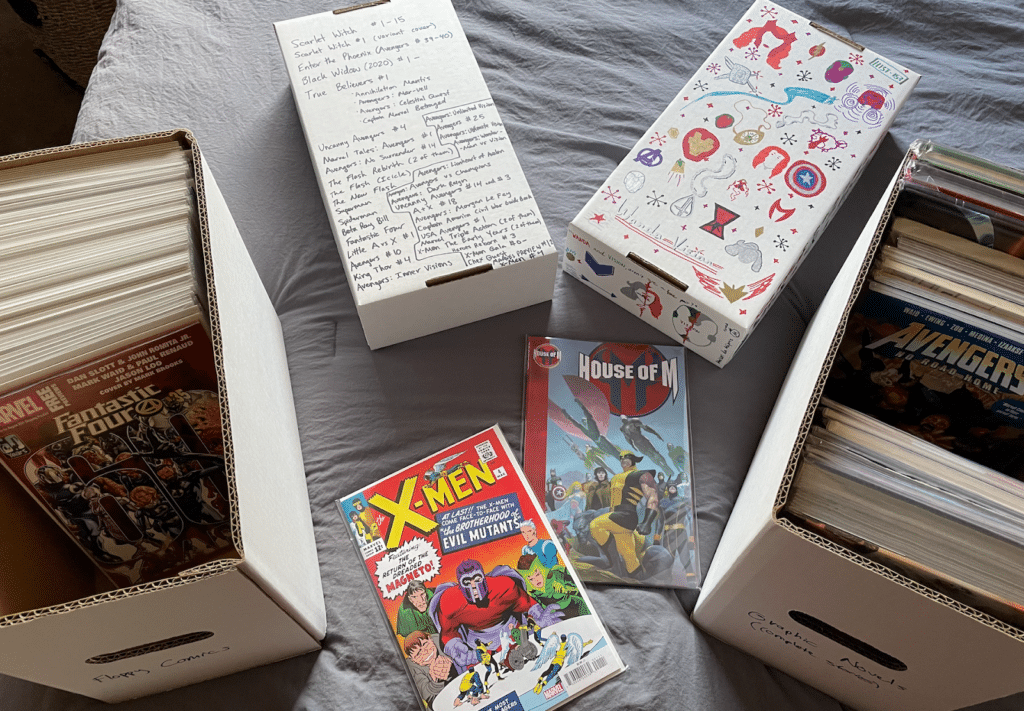
- Proper Boxes: Store issues upright in “short boxes” or “long boxes” to avoid spine rolls and corner blunting.
- Environmental Control: Keep your vault in a cool, dry place away from direct sunlight, which can fade the spectacular colors of your covers.
Whether you are building a DC Comics archive or hunting for Marvel keys, the community is your greatest resource. Websites like EBTH and ToonsMag offer continuous education for the modern enthusiast. Transitioning from an isolated buyer to an active member of the community will help you spot trends before they reach a critical mass.
In conclusion, knowing how to start collecting comic books is about more than just wealth; it is about preserving a uniquely American art form. By pairing your individual taste with the tactical habits of a professional curator, you can ensure that your collection becomes a source of pride and joy for decades to come. Don’t miss this portal into the greatest hobby on Earth—grab your first long box and get started today!
📢 Join the Conversation
What was the first comic book you ever bought? Are you a “slab” collector or do you prefer to keep your books raw? Join the conversation on X and tag us @comicbookaddt to share your latest mail call and collecting tips!
Follow our community for more updates: