Great Lakes Avengers: This Day In Comics – West Coast Avengers #46
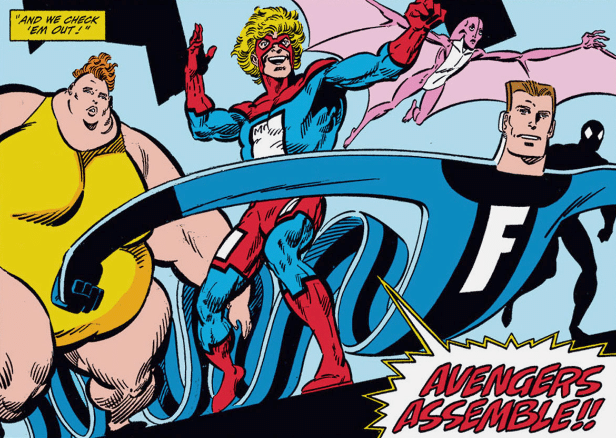
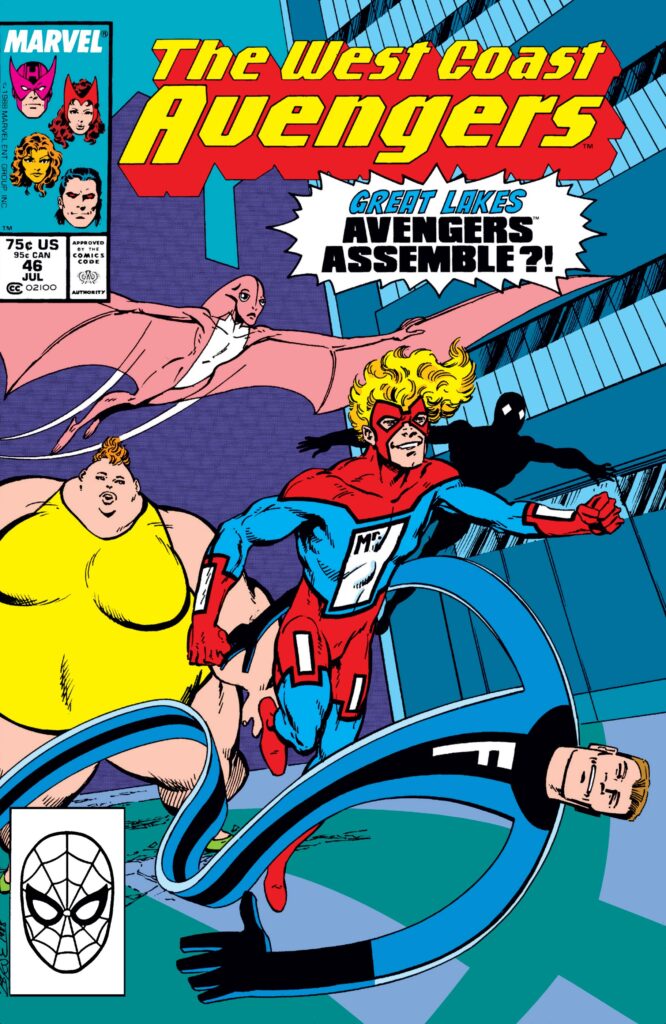
Great Lakes Avengers officially introduced themselves to the world on this day, March 7, 1989, bringing a unique blend of satire and heroism to the Marvel Universe. Making their debut in the pages of West Coast Avengers #46, the team was a stark contrast to the polished icons of the Avengers or the X-Men. Created by the legendary John Byrne during his critically acclaimed run on the title, the group offered a pensive look at the “everyman” hero—individuals with bizarre powers and a desperate desire to do good, regardless of their perceived naiveté.
The creative team responsible for this landmark debut includes:
- Writer & Artist: John Byrne
- Inker: Mike Machlan
- Colorist: Paul Becton
- Publisher: Marvel Comics
The origin of the Great Lakes Avengers is rooted in the existential discovery of Craig Hollis. After discovering that he possessed the power of immortality, Craig decided to fight crime under the moniker “Mr. Immortal.” However, after an early mission ended with him being shot and left for dead by a group of thieves, he realized that operating alone was a tactical error. Seeking strength in numbers, he placed an advertisement for “costumed adventurers” in a local Milwaukee newspaper, leading to the assembly of one of the most eccentric rosters in comic history.
The Authority of John Byrne and the Birth of the Great Lakes Avengers
What readers should understand about the March 7th anniversary is how John Byrne used the team to subvert expectations. The recruits who answered Hollis’s call included Dinah Soar, Big Bertha (a famous supermodel who could drastically increase her mass), Flatman (a 2D hero often confused with Mr. Fantastic), and Doorman (who could create portals through solid objects). Transitioning from a lonely immortal to a team leader, Mr. Immortal established a base in Wisconsin, far from the superhero-saturated streets of New York or Los Angeles.
In their debut issue, the team is first seen by Avengers veterans Hawkeye and Mockingbird. The two icons watch from the shadows as the group foils a robbery attempt with a mix of genuine bravery and comedic clumsiness. While initially annoyed by the team’s use of the “Avengers” name without official sanction, Hawkeye and Mockingbird were moved by the group’s sincerity. Consequently, they agreed to act as the team’s mentors, providing a level of institutional authority that the Great Lakes Avengers desperately needed to survive the high-stakes world of Marvel villainy.
The Rejection of Leather Boy and Legal Hurdles
A significant but often overlooked part of the team’s history involves the candidates Mr. Immortal turned away. One such individual was Gene Lorrene, a leather fetishist who called himself “Leather Boy.” Lorrene was deemed ineligible because he possessed no actual superpowers, a rejection he took deeply personally. This pensive moment of exclusion would eventually come back to haunt the team in later years, proving that in the Marvel Universe, even the most absurd characters can harbor dangerous grudges.
Furthermore, the team’s journey has been defined by a constant search for identity. Over the decades, they have changed their name several times to avoid legal trouble or to ride the coattails of more popular groups. When the Maria Stark Foundation issued a cease-and-desist order regarding the “Avengers” name, the group briefly rebranded as the “Lightning Rods,” homaging the then-popular Thunderbolts. Transitioning through names like the “Great Lakes X-Men” and the “Great Lakes Champions,” the team has consistently proven their adventure-seeking spirit remains unbroken.
For fans who track new comics and historical milestones, the debut in West Coast Avengers #46 remains a favorite. The comic book covers of the era, particularly Byrne’s dynamic compositions, highlighted the “misfit” nature of the team while maintaining the high production standards of the Bronze Age. It is a mathematical certainty that the GLA represents the heart of the “Flyover State” heroics, showing that you don’t need to be in Manhattan to make a difference.
In conclusion, the Great Lakes Avengers are an essential, if often humorous, pillar of the Marvel mythos. From their debut as “super-powered fanboys” to their status as seasoned—if still slightly clumsy—defenders of the Midwest, they reflect the endurance of the heroic ideal. Whether they are dealing with cosmic threats or local cease-and-desist orders, their legacy remains one of the most distinct in the industry. Don’t miss this portal into the lighter side of Marvel history when you revisit the classics this month!
📢 Join the Conversation
Who is your favorite member of the Great Lakes Avengers—Mr. Immortal or the incomparable Big Bertha? Do you think Hawkeye was the right choice for their mentor? Join the conversation on X and tag us @comicbookaddt to share your thoughts on Marvel’s quirkiest team!
Follow our community for more updates: