Daniel Ketch Ghost Rider: The 1990 Debut of the Spirit of Vengeance
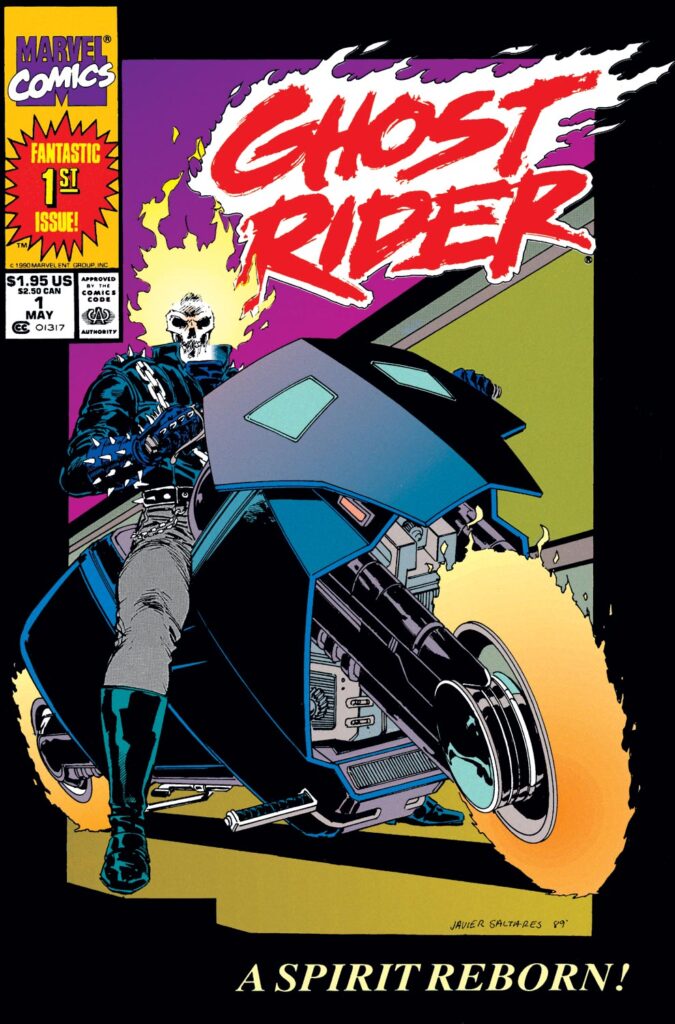
Daniel Ketch Ghost Rider officially roared into the Marvel Universe on this day, March 13, 1990, igniting a decade of dark superheroics and supernatural action. Making his debut in the landmark Ghost Rider #1, this new iteration of the Spirit of Vengeance offered a vibrant and edgy modernization of the character that had been largely dormant since the early 1980s. Created by writer Howard Mackie and the artistic powerhouse of Javier Saltares and Mark Texeira, this version wasn’t just a replacement for Johnny Blaze; it was a pensive and visceral adventure that defined the grimy, high-contrast aesthetic of the 1990s.
The creative engine and authority behind this historic debut includes:
- Writer: Howard Mackie
- Artist/Penciler: Javier Saltares
- Inker: Mark Texeira
- Publisher: Marvel Comics
The history of Daniel Ketch Ghost Rider is rooted in a night of terror on the streets of Brooklyn. While taking a shortcut through a Cypress Hills cemetery with his sister Barbara, the duo was caught in the middle of a brutal gang war orchestrated by the mysterious villain Deathwatch. With Barbara grievously wounded and gangsters closing in, Daniel fled and hid in a nearby junkyard. It was there, amidst the wreckage of the old world, that he found a motorcycle bearing a mystical sigil. Upon touching the emblem, his life was irrevocably altered as he was transformed into the Ghost Rider.
The Junkyard Genesis and a Sister’s Tragedy
What readers should understand about the March 13th anniversary is the pensive nature of the transformation. While he beat the gangsters with a level of extraordinary power never before seen in the borough, he was unable to save his sister. Barbara Ketch slipped into a coma and was eventually murdered in her hospital bed by the pensive and sadistic Blackout. Consequently, Daniel’s early career was defined by grief and a desperate search for vengeance, establishing a hierarchy of stakes that felt significantly more grounded and tragic than previous supernatural titles.
The pacing of the 1990 series allowed for a deep dive into the psychological toll of the curse. Unlike Johnny Blaze, who had made a deal with the devil, Daniel Ketch found himself an unwitting host to a power he didn’t fully understand. For fans who track new comics for their character development, the “slow burn” mystery of the Spirit’s identity remains a high-water mark for the franchise. Transitioning from a terrified teenager to a spectral judge, Daniel established a level of moral authority that would eventually lead to the formation of the Midnight Sons.
Modernizing a Legend for the 90s
Visually, the comic book covers and interior art for the 1990 series created an immediate icon. This Daniel Ketch Ghost Rider featured a modernized tailoring of the classic look: a heavy leather jacket with spiked shoulder pads, a glowing chain as a primary weapon, and a bike with massive, fiery wheels that felt like a technological beast. The artistic authority of Saltares and Texeira brought a pensive grit to the latest releases of the era, utilizing deep shadows and hellish light sources to emphasize the horror elements of the script.
Furthermore, the character’s powers underwent a tactical overhaul. While the original Ghost Rider relied on hellfire blasts, Ketch utilized the “Penance Stare”—a pensive ability that forced his victims to feel all the pain they had ever inflicted on others. This power made him a mathematical certainty for success against the sinful elements of the Marvel underworld. For those exploring our This Day in Comics archive, the debut of the Penance Stare is a reminder of how the 1990s pushed the boundaries of superhero justice.
The most pensive mystery of the run was the true nature of the entity bound to Daniel. He later learned about the origin of Zarathos from the mystical dream lord Nightmare, who believed the entity was Zarathos reborn and freed from the Soul Crystal. While the Daniel Ketch Ghost Rider initially denied this, others in the hierarchy of Hell, including Mephisto, believed otherwise. This conflict over his own identity added a layer of pensive analysis to the series, making it as much a psychological thriller as an action book.
In addition to the internal struggle, the series eventually revealed a shocking connection to the original Spirit of Vengeance. Daniel Ketch and Johnny Blaze eventually discovered that they were long-lost brothers. Their family was the inheritor of a pensive and ancient mystical curse related to the Spirits of Vengeance. Transitioning from a random victim of fate to a scion of a bloodline of vengeance, Daniel’s story highlight the flexible and enduring nature of Marvel’s occult history.
In conclusion, Daniel Ketch Ghost Rider is an essential pillar of the 1990s comic book boom. From his debut in a Brooklyn junkyard to his status as a founding member of the Midnight Sons, he reflects the power of a successful rebranding. Whether he is appearing in a pensive solo story or a massive crossover with the Avengers, his legacy is one of fire, leather, and absolute tactical justice. Don’t miss this portal into the “Vengeance Reborn” era when you revisit the classics this month!
📢 Join the Conversation
Who is your favorite Spirit of Vengeance: Daniel Ketch or Johnny Blaze? Do you think the Penance Stare is the coolest power in the Marvel Universe? Join the conversation on X and tag us @comicbookaddt to share your thoughts on Daniel Ketch!
Follow our community for more updates: