Gold or Fool’s Gold? The Pensive Reality of Comic Book Speculation
By Patrick Cornish (The Digital Solutions)
Comic Book Speculation is officially the most divisive definition within the modern collector’s network, serving as both a financial engine for the industry and a pensive source of friction among purists. Whether you view it as a high-stakes ecosystem or a dangerous gamble, the analytical pursuit of “key issues” has fundamentally changed how we interact with sequential art. For fans who want to see the foundations of their portfolios grow, this database-driven era is a definitive portal into the high-stakes world of asset diversification.
The creative engine and authority behind this market includes:
- The Market Drivers: First appearances, death issues, and rumors of cinematic adaptations.
- The Tools: Professional grading (CGC/CBCS), price trackers, and “hot lists.”
- The Goal: Identifying the next catalyst for value before it reaches critical mass.
The history of Comic Book Speculation is a study in volatility. From the early days of the Copper Age to the hyper-modern latest releases, the transition from a hobby of vibrant readers to a sophisticated investment class has been both spectacular and fraught with lessons.
The Good, The Bad, and The Graded: Evaluating Comic Book Speculation
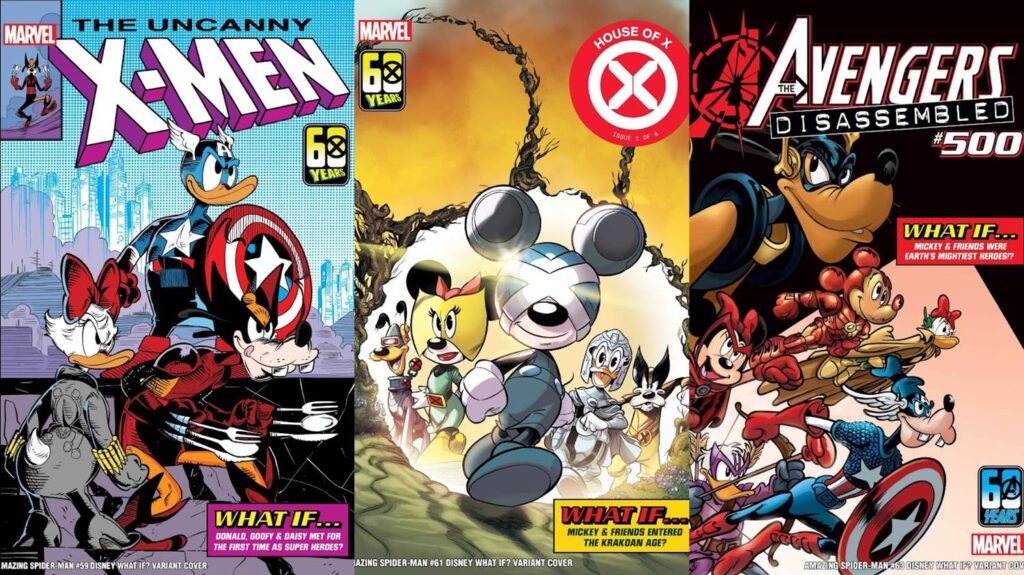
What readers should understand about Comic Book Speculation is that it provides the liquidity that keeps many local comic shops alive. By chasing comic book covers and limited variants, speculators incentivize retailers to order higher quantities of books. However, this innovation often comes at a cost to the “reader” experience. When a highly anticipated debut is bought out by investors before it even hits the stands, the resulting price-gouging can leave the core community feeling vulnerable.
The pacing of the speculative market is often tied to the rumors surrounding Marvel and DC cinematic universes. Transitioning from a $4 cover price to a $400 slabbed 9.8 is a mathematical certainty for some books, but for most, the fragility of hype leads to a pensive crash. Some modern tactics have even reached a level of unconventional absurdity, where collectors discuss destroying parts of a book to create a rare, “naked” variant that might command a premium.

The 1990s Bubble and the Chromium Curse
Visually, the most infamous era of Comic Book Speculation was the early 90s, characterized by an explosion of holofoil, chrome, and die-cut covers. The nostalgia for this period is vibrant today, but it serves as a cautionary tale. During the Image Comics boom, millions of copies of X-Force #1 and Spawn #1 were produced with the expectation of future value. When the market realized that scarcity is the only true driver of price, the bubble burst, nearly destroying the industry.
The Variant Cover Economy: Artificial Scarcity and Innovation
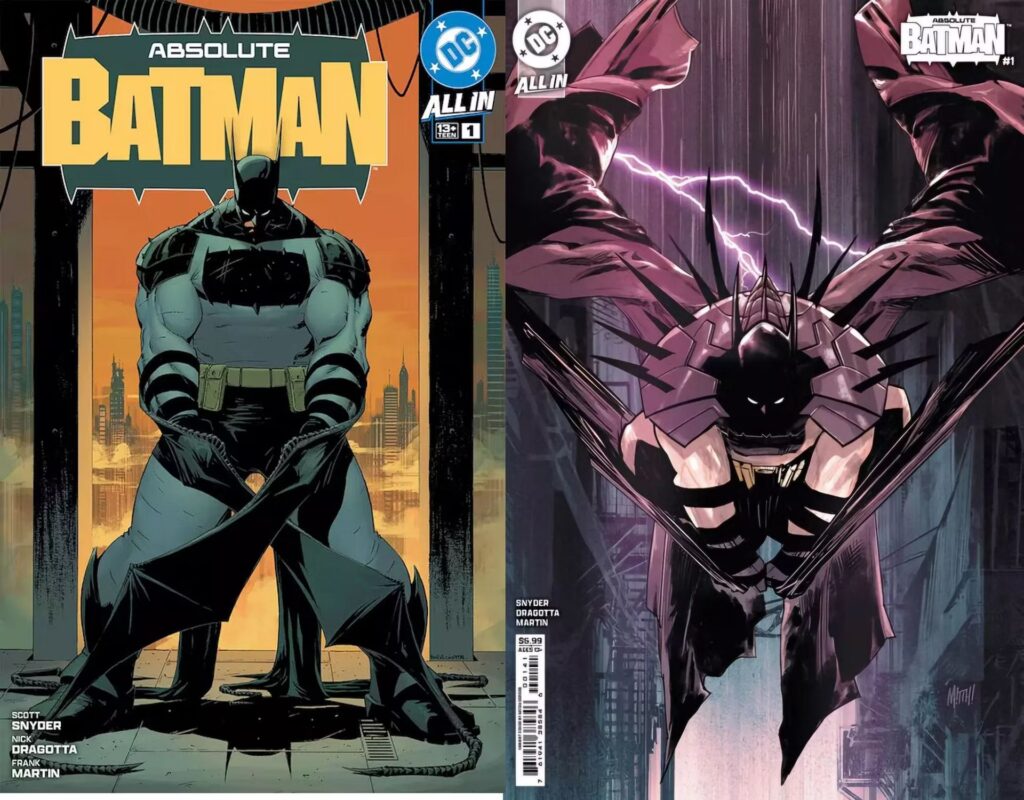
In the modern era, Comic Book Speculation is heavily driven by the marketability of alternative art. Variant covers have evolved from simple color swaps to a sophisticated economic engine. By creating artificial scarcity through ratio variants—such as 1:25, 1:100, or even 1:1000—publishers satisfy the pensive investor without inflating the print runs of standard copies. This strategy provides the financial stability necessary for creators to take risks with their primary storytelling.
The mechanics of this collector-driven market are fascinating. A retailer may only be able to order a rare “incentive” cover if they purchase a specific number of standard copies. This ensures that the most beautiful and rare art remains a reward for those who support their local shops. Furthermore, the volume of new comics today utilizes these rhythmic releases to avoid the “junk wax” collapse of the 90s. Transitioning between the mass production of the past and the prestige rarity of the 2026 market, the industry has developed a higher level of intelligence and tactical authority.
In conclusion, Comic Book Speculation is a double-edged sword. It is the noise and hyperdrive-fueled beauty of a growing market, but it requires a level of fiscal analysis that few casual fans possess. Whether you are following the tactical movements of the next MCU leak or simply soaking in the spectacular artwork of a 1:100 variant, this legacy is a mandatory piece of the modern hobby. Don’t miss the portal into the next big key issue, but remember: the most valuable book is always the one you actually enjoy reading.
📢 Join the Conversation
Do you think speculation is ultimately good or bad for the health of your local comic shop? Have you ever “invested” in a book only to see its value plummet after the movie hype died down? Join the conversation on X and tag us @comicbookaddt to share your biggest wins and losses in the world of comic speculation!
Follow our community for more updates: