The Killing Floor: Why Batman: The Killing Joke Remains the Definitive Joker Epic
Batman: The Killing Joke officially descended upon the DC Universe on this day, March 29, 1988, offering a pensive and visceral assertion of the Joker’s madness. Created by the powerhouse creative engine of writer Alan Moore and artist Brian Bolland, this prestige one-shot was loosely adapted from the 1951 Red Hood lore. For fans who want to understand the sophisticated and often controversial legacy of the Dark Knight’s greatest enemy, this volume is a definitive portal into the high-stakes world of psychological retro analysis.
The creative engine and authority behind this monumental milestone includes:
- Writer: Alan Moore (Watchmen, V for Vendetta)
- Artist: Brian Bolland (* Camelot 3000*)
- Colorist: John Higgins / Brian Bolland (Deluxe Edition)
- Publisher: DC Comics
The history of Batman: The Killing Joke is rooted in the “Grim and Gritty” era of the late 80s. Moore designed the story as a study on the vibrant and terrifying similarities between Batman and the Joker. By presenting the Joker as a failed comedian and family man who suffered “one bad day,” the narrative established a hierarchy of muddled tragedy that humanized the monster without absolving him of his crimes. Consequently, the transition from a campy villain to a pensive timeline of madness remains a highlight for anyone tracking new comics for their thematic depth.
The Psychology of One Bad Day in Batman: The Killing Joke
What readers should understand about the March 29th anniversary is the visceral impact the book had on the wider Bat-Family continuity. The plot centers on the Joker’s attempt to drive Commissioner Jim Gordon insane by subjecting him to a pensive and brutal night of torture. The most significant development was the shooting and paralysis of Barbara Gordon, an event that was unwrapped as a permanent change to her biography, eventually leading to her evolution as Oracle.
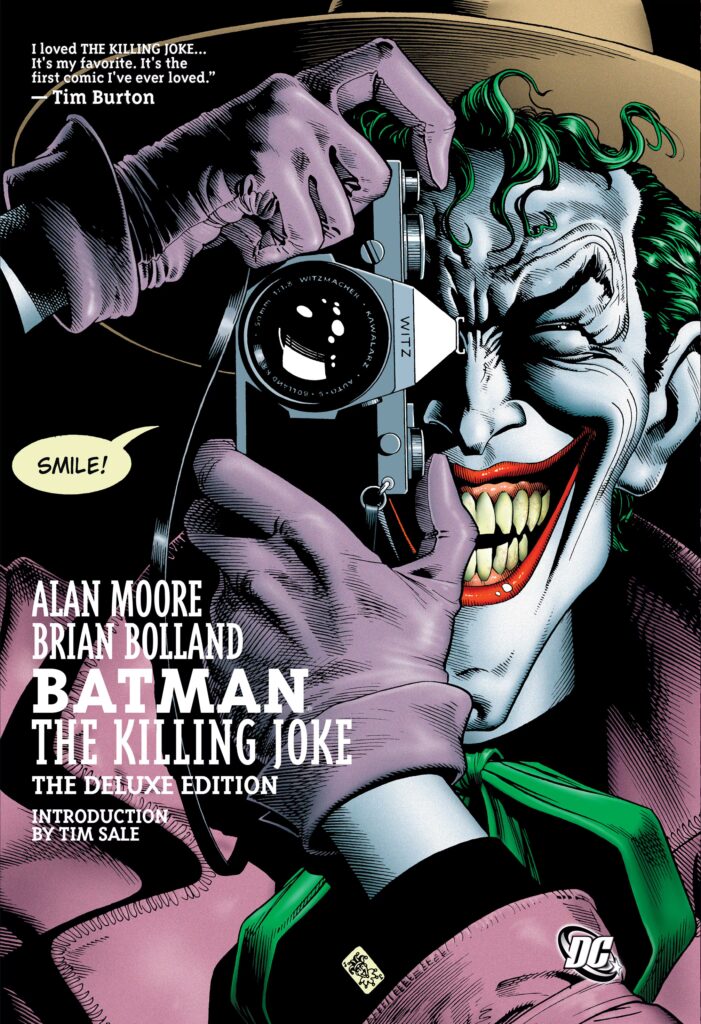
The pacing of the story utilizes two timelines: the pensive, sepia-toned past of the comedian and the high-intensity confrontation in the present. As Batman pursues the Joker through a carnival of horrors, the script highlights the muddled mess of their shared psychosis. For fans who track comic book covers for their storytelling clues, Brian Bolland’s iconic “Smile!” cover remains a mathematical certainty for success in any collection.
The Mystery Ending and the Final Joke
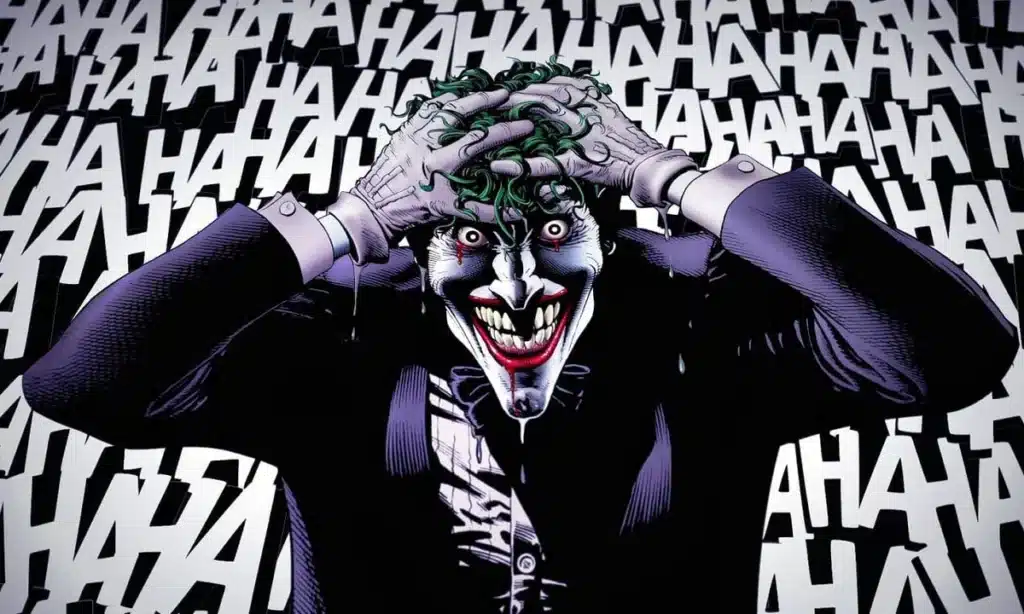
Visually, Batman: The Killing Joke is a spectacular achievement. Brian Bolland’s meticulous attention to detail provided a level of ranked authority that made every panel of the Joker’s grin feel like an innovation of the form. However, the most debated part of the book is its mystery ending. Following a joke about two inmates in an asylum, Batman and the Joker share a moment of laughter as the rain pours down. The abrupt cutoff of the laughter has led to decades of theories—most notably the idea that the punchline results in the Joker’s death at Batman’s hands.
Furthermore, the volume utilizes the unique strengths of the medium to explore how trauma is interpreted. The dialogue remains sharp and grounded, reflecting the “despicable wager” the Joker makes against human decency. The irony of two men who perceive the world through differing points of view—one through justice and the other through a joke—provides the pensive foundations of the modern superhero-villain dynamic. Whether you are following the tactical movements of the GCPD or simply soaking in the spectacular artwork, this series is a mandatory addition to your collection.
The early reviews of the era were divided, but its longevity is absolute. As the industry has moved toward more “unwrapped” and ambitious character studies, Batman: The Killing Joke stands as a testament to the brand’s enduring power to find the humanity in the superhuman. It is an “unwrapped” look at the bravery required to survive one bad day without breaking.
In conclusion, Batman: The Killing Joke is an essential pillar of the DC mythos. From its debut as a pensive origin story to its status as the most influential Joker tale ever told, it reflects the power of a hero who faces a villain that is his own psychological shadow. Don’t miss this portal into the “End of the Silver Age” when you revisit the classics this month!
📢 Join the Conversation
Do you think Batman killed the Joker at the end of the story? Was the shooting of Barbara Gordon a necessary evolution or a step too far? Join the conversation on X and tag us @comicbookaddt to share your thoughts on Moore and Bolland’s masterpiece!
Follow our community for more updates: