
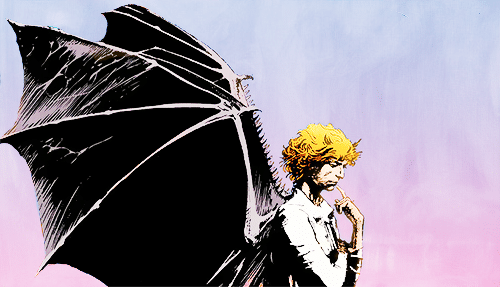
Lucifer Morningstar: The 1989 Debut of the Prince of Lies
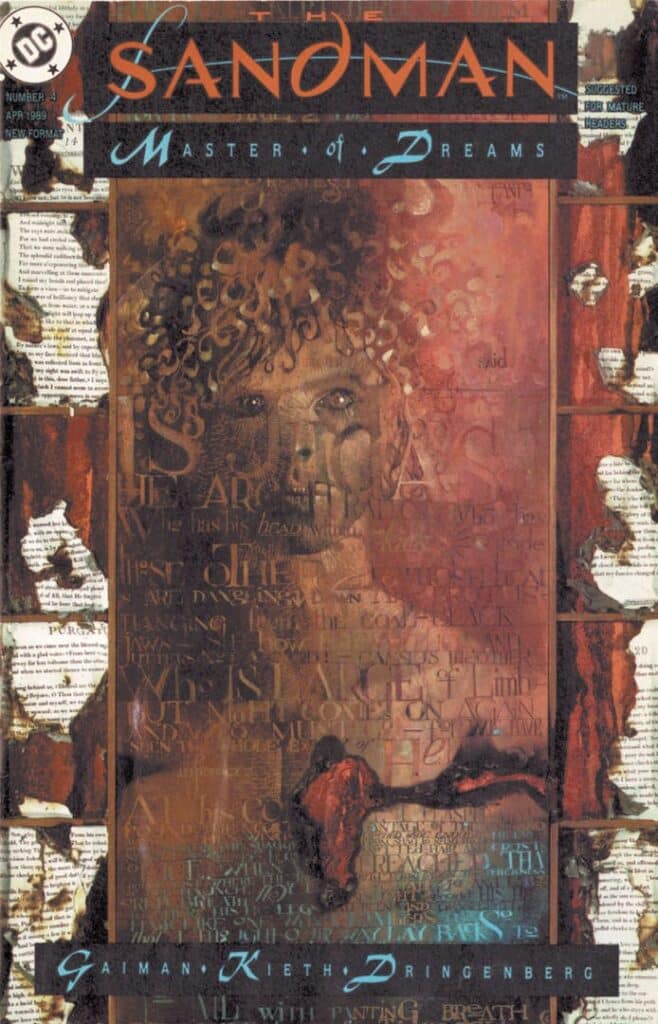
Lucifer Morningstar officially walked into the modern DC Multiverse on this day, February 28, 1989, changing the landscape of dark fantasy forever. Making his first appearance in the seminal The Sandman #4, the character was a radical departure from the stereotypical depictions of the Devil seen in earlier comics. While previous iterations relied on clichéd red skin and pitchforks, Neil Gaiman’s version was a highly sophisticated, philosophical entity based on the “magnificent failure” found in John Milton’s Paradise Lost.
The creative team responsible for this monumental debut includes:
- Writer: Neil Gaiman
- Artist/Penciler: Sam Kieth
- Inker: Mike Dringenberg
- Publisher: DC Comics
The history of Lucifer Morningstar within the DC multiverse is as vast as it is tragic. As the Biblical fallen angel and the Devil of Abrahamic religions, he had ruled as the absolute Lord of Hell for a staggering 10 billion years. His reign began just three seconds after Creation when he led a rebellion against Heaven. Over the aeons, he established a hierarchy of torment, manipulating the various demons of the pit against one another and providing a final destination for the souls of dead mortals. However, despite his absolute authority, the Morningstar eventually found himself succumbing to a profound and inescapable boredom.
The Existential Crisis of Lucifer Morningstar
What readers should understand about the debut of Lucifer Morningstar is that his primary conflict wasn’t with a hero, but with his own role in the universe. He became deeply tired of the various prejudices held by mortals, particularly the false idea that he “purchased” or “traded” for souls. In Gaiman’s lore, Lucifer never forced a mortal to commit an evil act; he simply provided the venue for their self-inflicted punishment. Consequently, he began to view his eternal reign over Hell as an unfair punishment—a destiny forced upon him simply because he had once exercised his free will to rebel.
The transition from cosmic ruler to retired civilian is one of the most pensive arcs in sequential art. Lucifer grew weary of the cycle of manipulation and the endless war against the silver city. He felt that the universe’s expectation of him as the “Prince of Darkness” was just another form of cage. For fans who track new comics for their thematic complexity, this deconstruction of the ultimate villain remains a gold standard for the medium.
The Abdication of Hell and the Keys to the Kingdom
The pensive nature of Lucifer Morningstar reached a breaking point during his interactions with Dream of the Endless. In a move that shocked both demons and angels alike, Lucifer decided to simply quit. He expelled every demon and damned soul from the infernal realm, physically locking the massive gates of Hell. In an iconic sequence, he handed over the key to Hell to Morpheus, effectively ending his 10-billion-year career as a jailer. This act of abdication paved the way for the “Season of Mists” storyline, where control of the pit was eventually handed to the angels Duma and Remiel.
Visually, the comic book covers and interior art by Sam Kieth and Mike Dringenberg emphasized Lucifer’s ethereal, almost David Bowie-esque beauty. This aesthetic authority served to distance the character from the grotesque monsters of the past. It is a mathematical certainty that this visual rebranding was essential for the character’s longevity, eventually leading to his own long-running solo series and a successful television adaptation.
After leaving his throne, Lucifer Morningstar initially retired to Earth, seeking a quiet life away from the celestial drama. His journey first took him to Perth, Western Australia, before he eventually settled in Los Angeles, California. There, he opened “Lux,” an upscale piano bar that served as the backdrop for his further investigations into the nature of humanity and divinity. For those exploring our This Day in Comics archive, the February 28th anniversary is a celebration of the moment the Devil finally chose to be free.
In conclusion, Lucifer Morningstar is more than just a supporting character from The Sandman; he is a cornerstone of the Vertigo era and a symbol of the “will to power” and independence. From his tragic rebellion at the dawn of time to his retirement as a nightclub owner in LA, he remains one of the most complex figures in the DC Multiverse. Whether you are following the mystery of the Endless or simply soaking in the Miltonic prose, the anniversary of his 1989 debut is a moment worth celebrating for any fan of literary comics.
📢 Join the Conversation
Do you think Lucifer was right to abandon Hell? Which version of the character do you prefer: the Sandman debut or the solo series? Join the conversation on X and tag us @comicbookaddt to share your thoughts on the Morningstar!
Follow our community for more updates:


