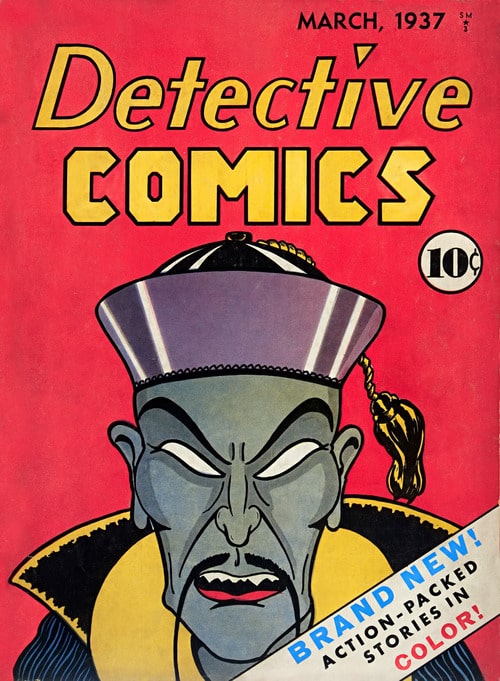
Detective Comics #1: The 1937 Debut that Birthed an Empire
Detective Comics #1 officially landed on newsstands on this day, February 25, 1937, marking one of the most transformative events in the history of the American sequential art medium. Released by Major Malcolm Wheeler-Nicholson’s National Allied Publications, this title was the third and final series launched by the cash-strapped publisher. While the issue itself served as a hard-boiled anthology of mystery stories, its lasting legacy is tied to the complex business distribution maneuvers and the eventual formation of the company we now know as DC Comics.
The creative and executive forces responsible for this historic milestone include:
- Publisher: Major Malcolm Wheeler-Nicholson
- Editor: Vincent Sullivan
- Contributors: Jerry Siegel, Joe Shuster, Creig Flessel, Bill Fox
- Business Partners: Harry Donenfeld & Jack S. Liebowitz
The launch of Detective Comics #1 was actually born out of a desperate financial struggle. Major Wheeler-Nicholson was deeply in debt to printing-plant owner and magazine distributor Harry Donenfeld. To ensure the book could actually reach the public, the Major was forced to take Donenfeld on as a business partner. This uneasy partnership led to the creation of a new entity: Detective Comics, Inc. While the Major remained at the helm for roughly a year, persistent cash-flow problems eventually saw him forced out of his own company, allowing Donenfeld and his accountant, Jack S. Liebowitz, to take full control through a bankruptcy auction.
The Anthology Roots of Detective Comics #1
What readers should understand about Detective Comics #1 is that it predates the modern superhero genre by over a year. At the time of its release, the “detective” genre was a dominant force in pulp magazines, and the Major intended this title to bring that same gritty, investigative energy to a visual format. The book established a pensive, noir-inspired tone that would eventually provide the perfect environmental foundation for the debut of Batman in issue #27. Consequently, the transition from pulp fiction to the Golden Age of comics began right here in 1937.
For fans who track new comics and the evolution of the industry, this debut remains the “Big Bang” of the DC Multiverse. Transitioning from independent publishing to the stability of the Donenfeld era allowed the title to survive the volatility of the pre-war market. It is a mathematical certainty that without the business infrastructure created to support Detective Comics #1, the subsequent successes of characters like Superman and Wonder Woman would never have materialized in the same way.
The Anthology Cast of Speed Saunders and Slam Bradley
The visual authority of Detective Comics #1 was established by its striking atmospheric cover art and a diverse roster of characters. The issue famously featured the debut of “Speed Saunders and the River Patrol,” written by Gardner Fox and illustrated by E.C. Stoner. Furthermore, the issue contained the first appearance of “Slam Bradley,” a rough-and-tumble detective created by Jerry Siegel and Joe Shuster—the same legendary duo who would introduce the world to the Man of Steel just one year later in Action Comics #1.
In addition to these leads, the issue introduced “Cosmo, the Phantom of Disguise” and “Bart Regan, Spy.” These stories showcased the variety of latest releases in sequential storytelling that were being refined during the late 1930s. For those exploring our This Day in Comics archive, the February 25th release stands as a reminder of how much the medium owes to the hard-boiled traditions of the early 20th century. Interestingly, the title Detective Comics would eventually become the namesake of the entire “DC” brand, running for over 1,000 issues.
Furthermore, the comic book covers of this era are now considered archaeological artifacts of American pop culture. The use of high-contrast shadows and primary colors set the visual standard for the mystery titles that followed. As the company moved from National Allied to Detective Comics Inc., the rights to these characters were consolidated, creating a shared corporate history that persists to this day. Transitioning from a collection of unrelated stories to a unified universe was a slow process that began with these early investigative tales.
In conclusion, Detective Comics #1 is more than just a high-value collector’s item; it is the cornerstone of a global entertainment empire. From the tactical brilliance of Wheeler-Nicholson’s original vision to the corporate ruthlessness of his partners, the book represents the messy, fascinating birth of the industry. Whether you are a fan of the Dark Knight or a historian of the medium, the anniversary of this 1937 debut is a moment worth celebrating. Don’t miss this portal into the earliest days of the detective genre!
📢 Join the Conversation
Do you think Major Wheeler-Nicholson was the unsung hero of comic history? Which “pre-superhero” character from the early Detective issues do you find most interesting? Join the conversation on X and tag us @comicbookaddt to share your thoughts on the birth of DC!
Follow our community for more updates: